
Ticks in Lannon aren't a generic problem — they're shaped by the mix of historic and modern construction, Lannon's housing stock, and southeastern Wisconsin's seasonal extremes. PIP's treatment protocols for ticks in Lannon are built on these local realities — not a franchise playbook copied from another state.
Local environment, housing stock, and Wisconsin climate create ticks conditions specific to Lannon — not a generic problem with a generic solution.
Residential properties in Lannon, from Quarry Ridge area to surrounding neighborhoods, generate their own mosquito breeding sites — clogged gutters, birdbaths, tire swings, plant saucers, and low spots in landscaping that hold water for 7+ days after rain. Lannon's quarry topography creates a unique heat-sink effect — exposed limestone retains summer heat well into evening, extending the activity window for wasps and stinging insects. Deep quarry walls also create sheltered microclimates where overwintering pest populations survive better than in surrounding exposed areas.
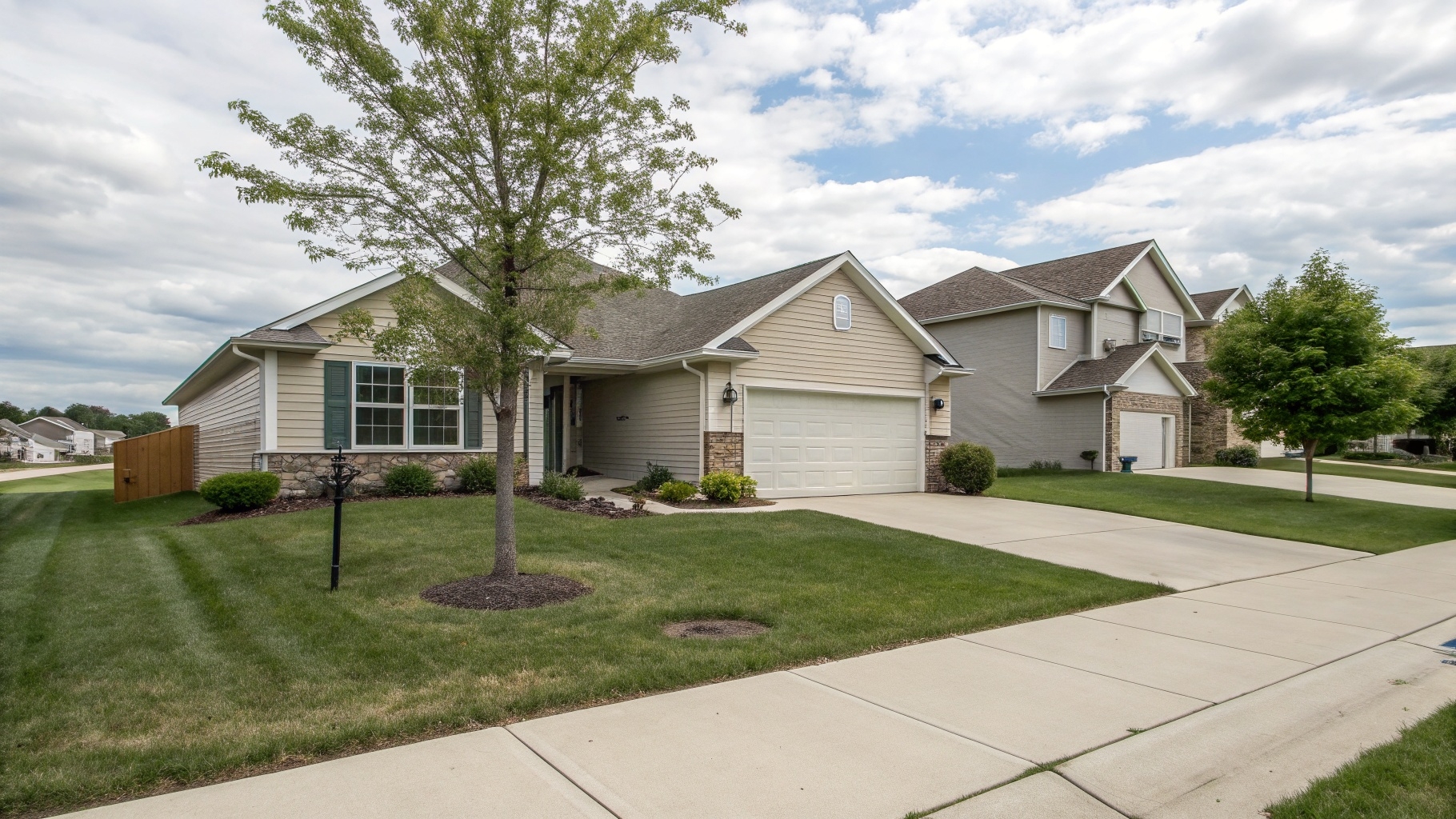
Historic quarry village with 1910s–1940s stone-faced homes near the quarries and 1970s–1990s suburban homes along Good Hope Road. Mosquitoes and ticks are primarily outdoor pests, but they affect how families use outdoor living spaces — decks, patios, play areas, and gardens. Suburban properties in Lannon, including Quarry Ridge area, generate mosquito breeding in clogged gutters, downspout puddles, and landscape features that hold water after rain events. Tick prevention is especially critical in Lannon — Waukesha County has confirmed Lyme disease transmission from deer ticks, making personal and yard protection a health priority, not just a comfort issue.
Mosquitoes in Lannon breed in any standing water — a single bottle cap of water can produce hundreds of larvae. Populations surge 7–10 days after rain events, making post-storm weeks the highest-risk period for Lannon residents. Deer ticks (the Lyme disease vector) are active whenever ground temperatures exceed 35°F — which means April through November in Lannon, with the highest Lyme risk in May through July when nymphal ticks (too small to easily detect) are most active. Unmowed lawn edges, garden borders, and fence lines connecting to unmaintained areas are the primary tick zones in Lannon neighborhoods.
Ticks in Lannon won't resolve on their own — populations grow through every season cycle. Early treatment is always less expensive and less disruptive than emergency response after an infestation establishes. Schedule your free inspection today.
Wisconsin's climate drives distinct ticks patterns. Here's what Lannon homeowners face each season — and what to do about it.
Mosquito larvae appear in Lannon as soon as standing water warms above 50°F — typically mid-April. Snowmelt collecting in clogged gutters, landscape depressions, and construction ruts provides the first breeding sites. Deer ticks become active even earlier — whenever ground temperatures exceed 35°F, which can be March in Lannon. Spring is the optimal time to start barrier treatments before populations peak.
View Spring forecastJune through August is peak mosquito season in Lannon, with population surges 7–10 days after each rain event. Consistent irrigation and landscape watering in suburban Lannon inadvertently maintains mosquito breeding sites through dry periods. Tick activity peaks in late May through July when nymphal deer ticks — the primary Lyme disease vector — are most active and most difficult to detect on skin.
View Summer forecastMosquito activity declines in Lannon after the first frost, but can persist into October during warm years. Warm fall days can produce late-season mosquito activity, especially in sheltered yards with standing water. Adult deer ticks remain active through November — the fall deer hunting season increases tick-human contact in wooded areas. Do not discontinue tick prevention until sustained ground temperatures drop below freezing.
View Fall forecastMosquitoes and most ticks are dormant in Lannon during winter. This is the time for property maintenance that prevents spring populations: clean gutters, repair drainage, eliminate standing water sources, and clear leaf litter from yard edges. Plan drainage improvements and yard grading to eliminate the low spots that become breeding pools in spring. Schedule your spring barrier treatment before April to get ahead of the first hatch.
View Winter forecastPIP's ticks treatment in Lannon follows a 4-step protocol designed for the unique challenges of historic and aging construction. Every service starts with a free inspection — we diagnose before we treat, and we never apply generic solutions.
We walk your Lannon property identifying standing water sources, grade issues, vegetation density, and wildlife corridors. Drainage features, yard depressions, and gutter condition assessed for mosquito breeding potential. Tick drag sampling identifies hotspot zones along property edges. Breeding sites and resting areas mapped for targeted treatment.
Residual barrier spray applied to vegetation, fence lines, tree canopy understory, and structural resting surfaces. Treatment creates a kill zone that eliminates mosquitoes on contact for 21 days. Focus on shaded areas near decks, patios, and play areas where mosquitoes rest during daytime heat. Larvicide applied to water features that cannot be drained.
Granular tick treatment applied along wooded edges, wildlife trails, fence lines, and garden borders. Creates a chemical buffer zone between tick habitat and your living areas. Focus on transitions between maintained lawn and unmaintained borders. Effective for 30 days per application.
Recurring treatment scheduled every 3 weeks during active season (May–September). Post-storm re-treatment included at no additional charge. Property maintenance recommendations: eliminate standing water weekly, maintain mowed lawn edges, install rain barrel screens, and keep the 3-foot gravel or mulch buffer between lawn and woodland edges as a tick barrier.
All PIP treatments in Lannon use EPA-registered, targeted products applied by Wisconsin-licensed technicians. Our methods prioritize family and pet safety — crack-and-crevice application, gel baits, and exterior barriers minimize indoor exposure. We provide specific re-entry timelines for every treatment.
If ticks return between scheduled treatments, PIP re-services your Lannon property at no additional charge. Our results-backed guarantee means you only pay for protection that works.
Ticks treatment pricing in Lannon is based on your home's square footage, severity of the issue, and number of treatment points. Every home is different, which is why PIP offers free inspections with transparent, upfront pricing before any work begins. Annual prevention plans — which include quarterly monitoring — provide the best long-term value. No contracts required.
PIP provides same-day emergency service throughout Lannon and all of Waukesha County. For non-emergency situations, we typically schedule within 24–48 hours. Our Lannon-area technicians carry full treatment equipment, so most jobs are completed in a single visit. Call (262) 893-5271 for immediate scheduling.
All PIP treatments use EPA-registered, targeted products applied by licensed Wisconsin technicians. Our methods prioritize crack-and-crevice application, gel baits, and exterior barriers that minimize exposure inside living spaces. We provide specific re-entry guidelines for each treatment — typically 30 minutes to 2 hours. Pet and child safety is always the first design consideration.
Ticks pressure in Lannon varies by season, but year-round monitoring provides the most reliable protection. Quarterly service visits aligned with Wisconsin's seasonal pest cycles ensure treatment stays ahead of population surges. One-time treatments resolve immediate issues, but prevention plans stop infestations before they start — which is always cheaper than emergency response.
Residential areas in Lannon create microclimates around structures that support ticks activity differently than surrounding open areas. PIP's Lannon treatment protocols are designed for these specific conditions.
Yes. Waukesha County has confirmed Lyme disease transmission from deer ticks (Ixodes scapularis). Lannon has documented tick populations, particularly along greenway corridors, park edges, and properties bordering unmaintained vegetation. Nymphal ticks (May–July) are the highest Lyme risk because they're nearly invisible to the naked eye. PIP's yard treatment significantly reduces tick populations in treated zones.
PIP recommends barrier spray every 3 weeks during peak mosquito season (May–September) for Lannon properties. Standard suburban properties typically achieve good control with the 3-week cycle, supplemented by larvicide in any standing water features. Treatment effectiveness lasts 21 days under normal conditions, less after heavy rain. We re-treat after major storm events at no additional charge.
We live and work in Mukwonago. Your pest problems are our neighborhood's pest problems. No call centers, no corporate runaround.
Unlike reactive exterminators, PIP focuses on preventing infestations before they start. Our seasonal programs keep pests out year-round.
We use targeted, EPA-registered products with minimal environmental impact. Safe for your family, pets, and Wisconsin's ecosystem.
Wasp nest by the front door? Mice in the kitchen? We respond the same day because emergencies can't wait.
Pay only for what you need. No long-term commitments, no cancellation fees. Pricing based on your home square footage. We earn your business every visit.
Love PIP? Refer a friend and you both save. You earn 10–20% off your next service; they get 20% off their first.
Don't wait when safety is at risk. PIP's emergency team responds same-day across Waukesha County.
Call Now: (262) 893-5271