
Termites in New Berlin aren't a generic problem — they're shaped by the agricultural-edge environment, New Berlin's housing stock, and southeastern Wisconsin's seasonal extremes. PIP's treatment protocols for termites in New Berlin are built on these local realities — not a franchise playbook copied from another state.
Local environment, housing stock, and Wisconsin climate create termites conditions specific to New Berlin — not a generic problem with a generic solution.
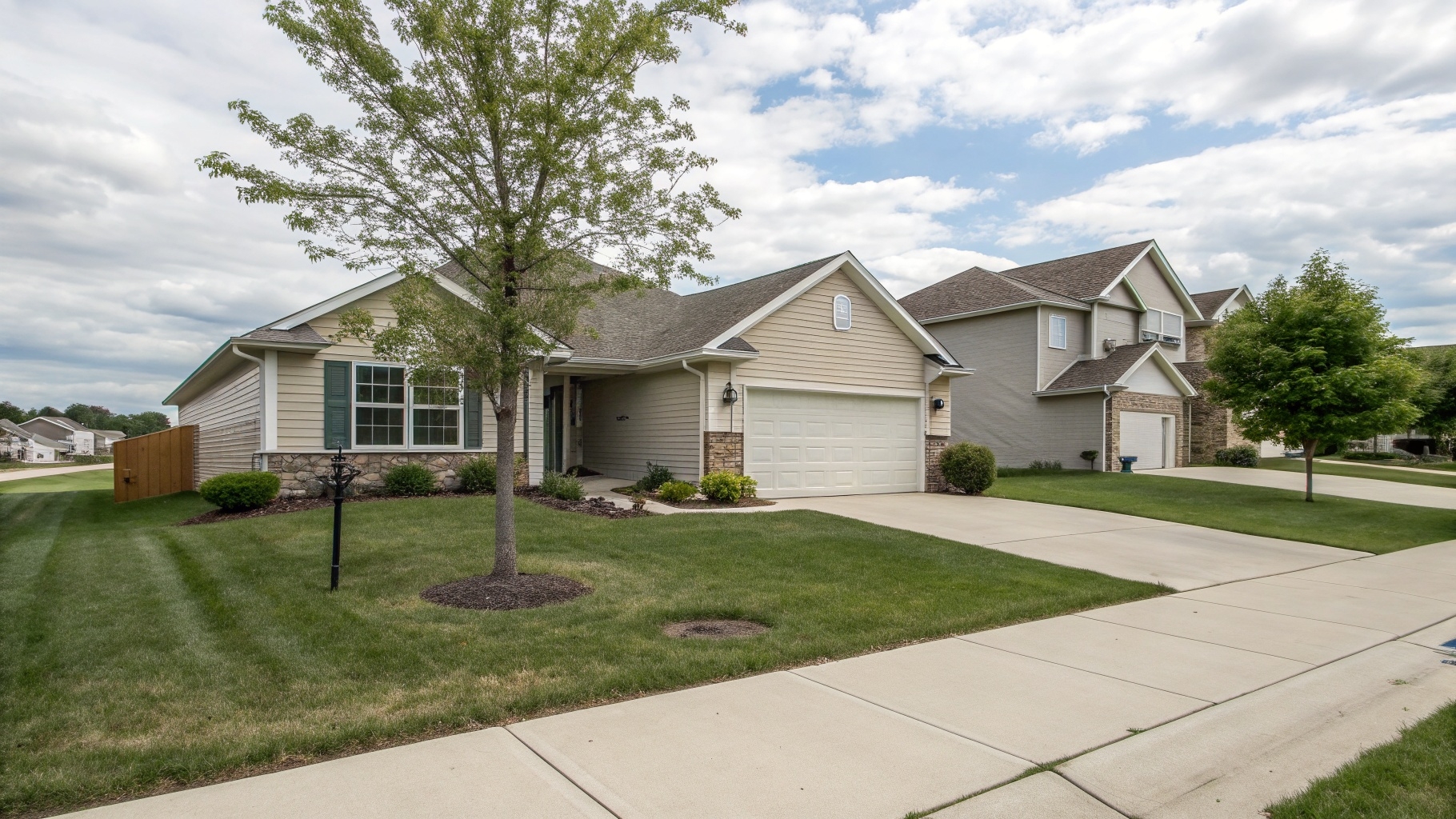
Eastern subterranean termites are present throughout New Berlin and Waukesha County, though infestation rates vary significantly by microenvironment. Residential lots in New Berlin, including Calhoun Corners, with landscape mulch, wooden retaining walls, and untreated wooden fence posts near foundations provide the soil-to-wood contact that termites require. Open agricultural land to the south and west creates cold-air drainage that triggers earlier fall pest migration. Construction disturbance on former fields displaces rodent populations into established neighborhoods.
Transitional suburban-rural community with 1970s–1980s ranches in established areas and 2000s–2020s construction on former farmland. Even new construction in New Berlin near Prospect Hill is vulnerable if builders left untreated form boards in place, mulch beds against foundations, or grade issues that direct water toward the structure. Termite damage is rarely visible until significant — colonies can feed inside structural members for years, hollowing out floor joists and wall studs from the inside while leaving the exterior surface intact.
Subterranean termites in New Berlin build mud shelter tubes from soil up foundation walls to reach wood framing. Colonies live 4–18 inches underground and can contain 60,000 to over 1,000,000 workers. They feed on cellulose 24 hours a day, 7 days a week — there is no dormant season when soil temperatures around heated foundations stay above 50°F. In New Berlin neighborhoods like Calhoun Corners, termite colonies established in one property's soil can extend foraging galleries to adjacent homes through connected landscape beds. Annual swarming flights in April–May, triggered by warm rain events, are often the first visible sign of a mature colony.
Termites in New Berlin can be dangerous — causing significant property damage when left untreated. PIP provides same-day emergency response throughout New Berlin and all of Waukesha County. Don't wait — call (262) 893-5271 now.
Wisconsin's climate drives distinct termites patterns. Here's what New Berlin homeowners face each season — and what to do about it.
Spring is the most visible termite season in New Berlin. Swarming flights occur in April–May, triggered by warm rain events — hundreds of winged termites emerging inside or outside a structure is a definitive sign of a mature colony. Swarms typically occur on warm, humid afternoons following spring rain events. If you see winged insects with straight antennae and equal-length wings indoors, contact PIP immediately — spring swarms indicate colonies that have been active for 3–5 years.
View Spring forecastActive feeding continues through New Berlin's summer as soil temperatures optimize worker activity. Colonies expand foraging galleries and may reach structures that weren't previously at risk. Landscaping changes, new mulch beds, and irrigation systems installed in summer can inadvertently create soil conditions that favor termite approach. Monitoring stations should be checked monthly during peak season.
View Summer forecastTermite feeding continues through October in New Berlin. As air temperatures drop, colonies remain active in soil warmed by sun-heated foundations. Modern insulated foundations create a warm perimeter zone that sustains termite activity later into fall than surrounding soil. Fall is actually an excellent time for baiting programs — colonies actively foraging near foundations are more likely to encounter and distribute bait products.
View Fall forecastTermite colonies in New Berlin are NOT dormant in winter. Workers continue feeding wherever soil temperatures remain above 50°F — which includes the thermal envelope around heated foundations. Mud tubes on interior foundation walls may be active year-round. Heated basements and crawl spaces create a year-round feeding zone within 2–3 feet of the foundation wall. Annual professional inspection should be scheduled regardless of season.
View Winter forecastPIP's termites treatment in New Berlin follows a 4-step protocol designed for rural and agricultural-edge homes. Every service starts with a free inspection — we diagnose before we treat, and we never apply generic solutions.
Systematic probing of all accessible wood members in your New Berlin home using sounding tool and moisture meter. Foundation inspection for mud tubes. Examination of sill plate, rim joist, floor joists, and all wood-to-soil contact. Focus on basement perimeter, garage attachment points, and areas where grade meets siding. Detailed report with photos provided.
Termiticide barrier trenched along the full foundation perimeter. Treatment injected beneath concrete slabs at plumbing penetrations and expansion joints. Creates a continuous chemical barrier between soil colonies and your structure. Product remains effective for 5–10 years depending on soil conditions in New Berlin.
Monitoring stations installed at confirmed activity points and high-risk zones around the foundation perimeter. Active ingredient disrupts termite molting, eliminating the colony at its source over 60–90 days. Monthly monitoring ensures continued protection and early detection of new colony approach.
Termite protection requires ongoing vigilance. PIP's annual inspection program includes full foundation survey, moisture meter readings, bait station monitoring, and gap assessment. We document any grade changes, landscaping modifications, or construction activity near your foundation that could create new vulnerability. Early detection prevents costly structural damage.
All PIP treatments in New Berlin use EPA-registered, targeted products applied by Wisconsin-licensed technicians. Our methods prioritize family and pet safety — crack-and-crevice application, gel baits, and exterior barriers minimize indoor exposure. We provide specific re-entry timelines for every treatment.
If termites return between scheduled treatments, PIP re-services your New Berlin property at no additional charge. Our results-backed guarantee means you only pay for protection that works.
Termites treatment pricing in New Berlin is based on your home's square footage, severity of the issue, and number of treatment points. Every home is different, which is why PIP offers free inspections with transparent, upfront pricing before any work begins. Annual prevention plans — which include quarterly monitoring — provide the best long-term value. No contracts required.
PIP provides same-day emergency service throughout New Berlin and all of Waukesha County. For non-emergency situations, we typically schedule within 24–48 hours. Our New Berlin-area technicians carry full treatment equipment, so most jobs are completed in a single visit. Call (262) 893-5271 for immediate scheduling.
All PIP treatments use EPA-registered, targeted products applied by licensed Wisconsin technicians. Our methods prioritize crack-and-crevice application, gel baits, and exterior barriers that minimize exposure inside living spaces. We provide specific re-entry guidelines for each treatment — typically 30 minutes to 2 hours. Pet and child safety is always the first design consideration.
Termites pressure in New Berlin varies by season, but year-round monitoring provides the most reliable protection. Quarterly service visits aligned with Wisconsin's seasonal pest cycles ensure treatment stays ahead of population surges. One-time treatments resolve immediate issues, but prevention plans stop infestations before they start — which is always cheaper than emergency response.
Residential areas in New Berlin create microclimates around structures that support termites activity differently than surrounding open areas. PIP's New Berlin treatment protocols are designed for these specific conditions.
We live and work in Mukwonago. Your pest problems are our neighborhood's pest problems. No call centers, no corporate runaround.
Unlike reactive exterminators, PIP focuses on preventing infestations before they start. Our seasonal programs keep pests out year-round.
We use targeted, EPA-registered products with minimal environmental impact. Safe for your family, pets, and Wisconsin's ecosystem.
Wasp nest by the front door? Mice in the kitchen? We respond the same day because emergencies can't wait.
Pay only for what you need. No long-term commitments, no cancellation fees. Pricing based on your home square footage. We earn your business every visit.
Love PIP? Refer a friend and you both save. You earn 10–20% off your next service; they get 20% off their first.
Don't wait when safety is at risk. PIP's emergency team responds same-day across Waukesha County.
Call Now: (262) 893-5271