
Lannon's identity is built on its historic limestone quarries, and those quarries create unique pest conditions. Stone structures harbor spiders, centipedes, and earwigs in their crevices. The quarry ponds attract mosquitoes. And the village's northern Waukesha County location means a compressed fall invasion window that hits harder than southern communities. PIP treats Lannon with protocols tuned to its quarry-village geology.
Locally owned, 5.0★ rated on Facebook — trusted by homeowners across Lannon and Waukesha County. Read our reviews
Lannon's quarry topography creates a unique heat-sink effect — exposed limestone retains summer heat well into evening, extending the activity window for wasps and stinging insects. Deep quarry walls also create sheltered microclimates where overwintering pest populations survive better than in surrounding exposed areas.
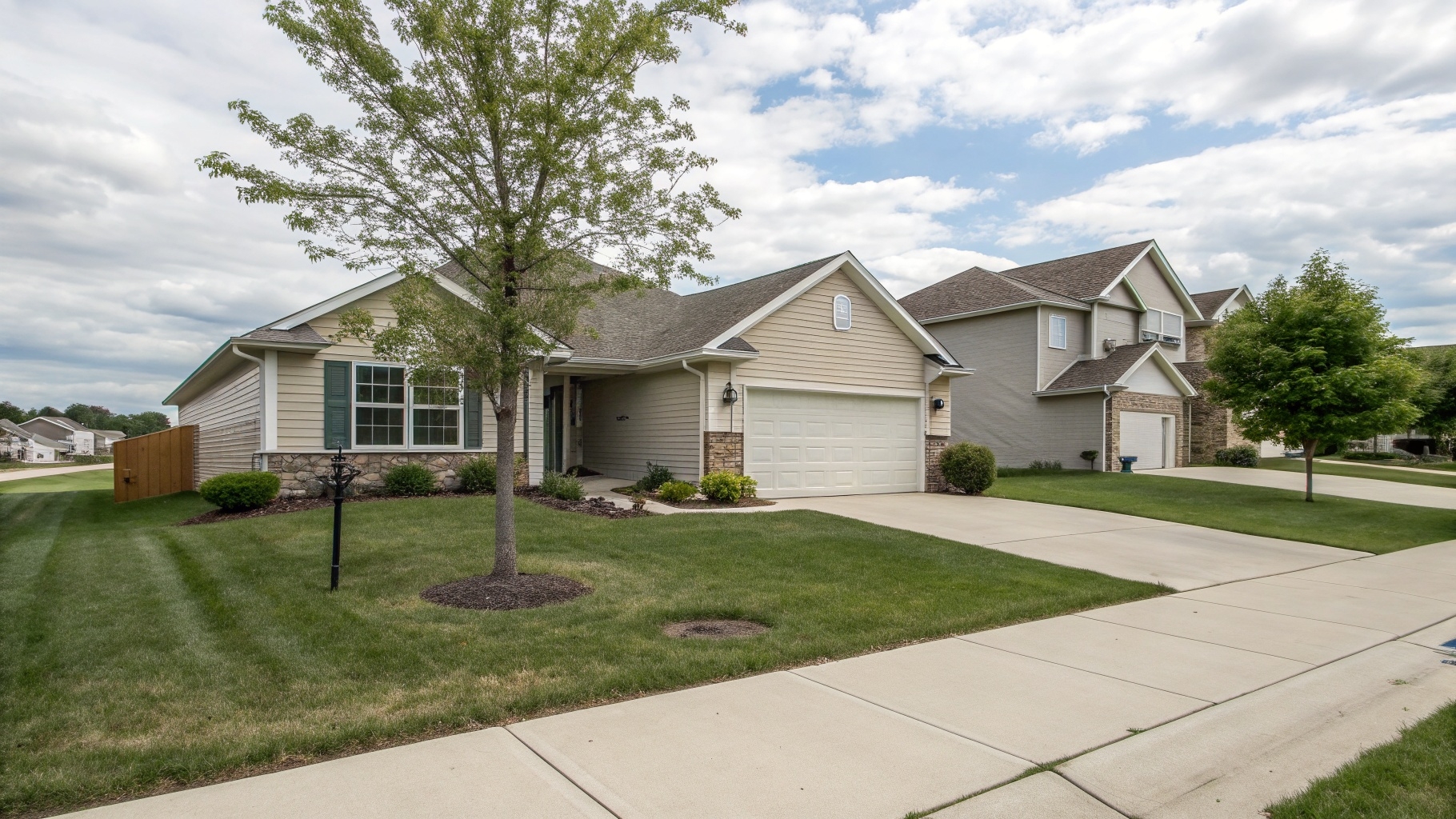
Historic quarry village with 1910s–1940s stone-faced homes near the quarries and 1970s–1990s suburban homes along Good Hope Road. The limestone quarry geology creates unique pest conditions — stone foundations with deep mortar joints provide countless entry points, and quarry water features attract mosquitoes to an industrial-residential interface.
Local environmental factors — including active and retired limestone quarries, Menomonee River headwaters, Lannon County Park — create pest habitat that generic treatment plans miss. PIP's technicians know these Lannon-specific conditions because we service this community every week.
Based on our service history in Lannon and Waukesha County. Click any pest for detailed treatment information.


Targeted treatment protocols for Lannon's most common pest threats. Every service starts with a free inspection.
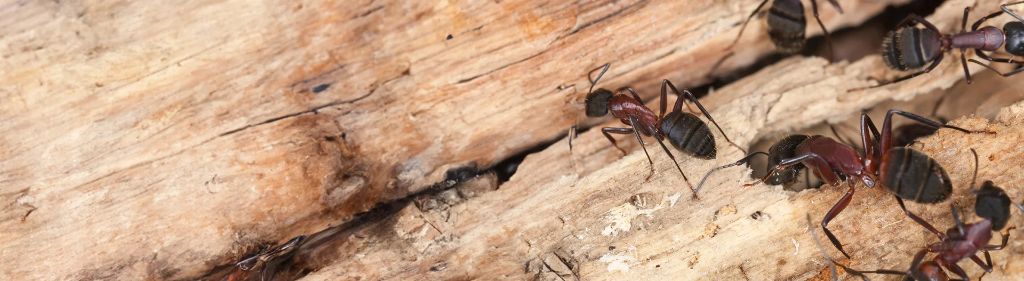
In Lannon, pavement ants nest along foundation edges and beneath sidewalks, while carpenter ants excavate galleries in moisture-softened wood. Satellite colonies often extend from a parent nest in a nearby tree stump or woodpile into your home's wall cavities through utility penetrations.
Activity starts as March soil temperatures rise above 50°F. Swarming flights peak in April–May. Summer foraging intensifies through August. Interior colony activity continues through winter in heated wall voids.
Our technician probes all visible wood-to-soil contacts, checks moisture readings at the sill plate and rim joist, traces foraging trails to locate nest origin, and uses a stethoscope on wall cavities to detect internal colony sounds.
Non-repellent liquid barrier applied to the foundation perimeter, targeting soil-to-structure interfaces, utility entry points, and ant trailing routes. Granular bait placed along active foraging paths and near identified nest sites.
Gel bait injected into wall voids through tiny drill holes near nest sites. Dust formulations applied inside electrical outlets, switch plates, and plumbing penetrations where ants travel. No spray contact required inside living spaces.
Eliminate wood-to-soil contact. Fix moisture sources (leaking gutters, condensation, plumbing drips). Trim vegetation 12 inches from siding. Move firewood 20 feet from the house. Seal cracks at the sill plate with polyurethane sealant.
House mice in Lannon build shredded-material nests inside wall insulation, above ceiling tiles, behind appliances, and in storage boxes. A single pair can produce 5–10 litters per year, each with 5–6 pups.
Mice begin probing for indoor access in September as night temperatures drop below 50°F. Peak indoor pressure runs October through March. Spring displacement occurs as heating stops and outdoor food becomes available.
Full interior and exterior gap audit using LED inspection tools. We measure every opening at the foundation, sill, roofline, and utility penetrations. Droppings, grease marks, and gnaw damage are mapped to identify travel routes and nest locations.
Tamper-resistant bait stations placed at confirmed entry zones and along active runway paths. Hardware cloth, copper mesh, and concrete patch used to seal all identified gaps larger than 1/4 inch.
Snap traps placed along confirmed travel routes (behind appliances, along wall-floor junctions, in attic runs). Void treatments target active nest areas. All traps monitored on a scheduled rotation until activity ceases.
Seal every gap larger than a dime. Install garage door threshold seals. Cap all vents with fine hardware cloth. Keep vegetation trimmed 18 inches from the foundation. Store food in glass or metal containers. Declutter storage areas to eliminate harborage.
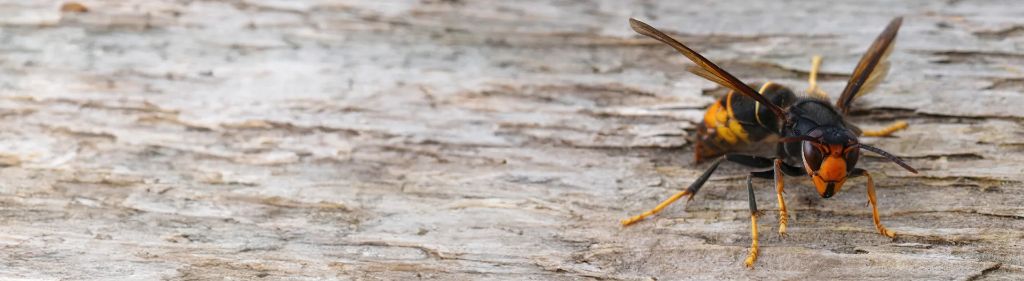
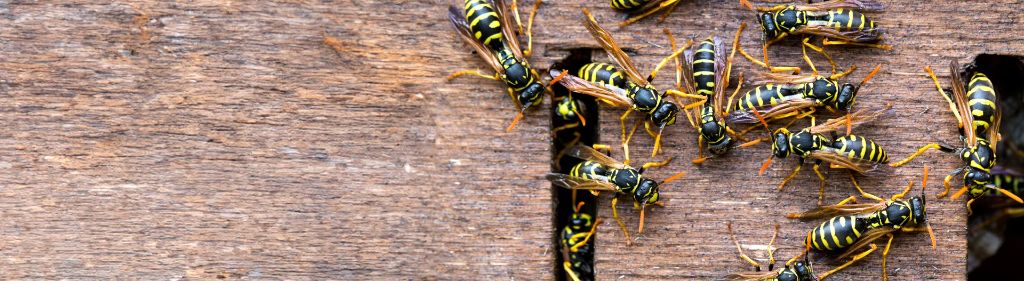
Paper wasps build open-comb nests beneath Lannon eaves, porch ceilings, and deck railings. Yellow jackets excavate underground nests in abandoned rodent burrows and wall voids. Bald-faced hornets suspend enclosed paper nests in trees and on building overhangs, becoming extremely aggressive when disturbed.
Queens emerge from hibernation in April and establish colonies by May. Colony size doubles every 3–4 weeks through summer. Peak aggression occurs August–September as workers defend the colony and compete for scarce food.
Visual survey of all eaves, soffits, overhangs, deck structures, and outbuildings from a safe distance. Ground inspection for yellow jacket entry holes. Thermal patterns on siding can indicate hidden wall void nests.
Direct nest treatment using professional aerosol or dust application at dusk when the full colony has returned. Nest removed after treatment. Area monitored for returning foragers for 24–48 hours.
For wall void nests, dust insecticide injected directly into the void through a small access hole. Void sealed after treatment to prevent dead insects from attracting secondary pests like carpet beetles.
Seal all soffit, fascia, and siding gaps before April. Screen gable and ridge vents. Paint or stain exposed wood (wasps prefer untreated surfaces). Remove old nests in late winter to discourage site reuse. Eliminate open food and drink sources outdoors.
Wolf spiders hunt on ground level across Lannon basements and garages. House spiders build tangled webs in undisturbed corners, window wells, and crawl spaces. Cellar spiders cluster near moisture sources. Spider presence indicates an active prey insect population supporting them.
Indoor spiders are active year-round. Wolf spider sightings increase in fall as outdoor populations move inside. Spring brings emergence of overwintered females with egg sacs. Late summer sees peak web-building activity in corners and ceilings.
Species identification (important for brown recluse assessment). Inspection of basements, crawl spaces, garages, and exterior perimeter. We document moisture levels and prey insect activity to address the root cause, not just the spiders.
Perimeter barrier spray targeting foundation edges, window wells, doorframes, and eave lines. Web knockdown with extension tools. Granular barrier along foundation perimeter to intercept incoming spiders.
Targeted crack-and-crevice treatment in basements, garages, and utility rooms. Glue board monitoring in key areas. When spider numbers are high, we treat for their prey insects simultaneously to cut off their food supply.
Reduce exterior lighting (attracts prey insects). Switch to yellow or sodium vapor bulbs. Seal foundation cracks and window well covers. Install door sweeps. Reduce clutter in basements and storage areas. Run a dehumidifier to lower basement humidity below 50%.
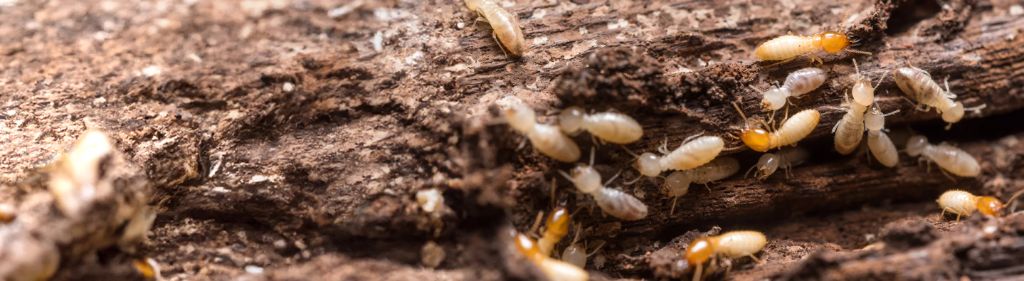
Eastern subterranean termites in Lannon build mud shelter tubes from soil up foundation walls to reach wood framing. Colonies live underground and can contain 60,000–1,000,000 workers. They feed on cellulose 24/7, silently hollowing out structural lumber, floor joists, and window headers from the inside.
Swarming flights occur April–May, triggered by warm rain events. Active feeding continues year-round where soil temperatures stay above 50°F — which includes heated foundation perimeters even in winter.
Systematic probing of all accessible wood members using a sounding tool and moisture meter. Foundation inspection for mud tubes. Examination of the sill plate, rim joist, floor joists, and any wood-to-soil contact. Detailed report with photos provided.
Liquid termiticide barrier trenched along the full foundation perimeter. Treatment also injected beneath concrete slabs at plumbing penetrations and expansion joints. Creates a continuous chemical barrier between soil colonies and your structure.
Bait station monitoring system installed at confirmed activity points and along known colony pathways. Active ingredient disrupts termite molting, eliminating the colony at its source. Monthly monitoring ensures continued protection.
Maintain 6-inch gap between soil and any wood. Grade soil away from foundation. Fix gutters and downspout drainage. Remove wood debris, stumps, and mulch from foundation edges. Annual professional inspection — termite damage is rarely visible until significant.
Mosquitoes in Lannon breed in any standing water — clogged gutters, birdbaths, tire ruts, downspout puddles, and low-lying yard areas. A single bottle cap of standing water can produce hundreds of larvae. Deer ticks quest on low vegetation along wooded edges and wildlife trails, waiting for a host to brush past.
Mosquito season runs May–October, with population surges 7–10 days after rain events. Ticks are active whenever ground temps exceed 35°F — primarily April–November in Waukesha County, with the highest Lyme risk in May–July.
We survey the property for standing water sources, grade issues, vegetation density, and wildlife corridors. Tick drag sampling identifies hotspot zones. We map breeding sites and resting areas to target treatments precisely.
Barrier spray applied to vegetation, fence lines, tree canopy understory, and structural resting surfaces (soffits, shaded siding). Tick granular treatment along wooded edges and wildlife trails. Larvicide in water features that cannot be drained.
Not typically required. If mosquitoes or ticks are entering the home, we address entry points (screens, doors, window seals) and treat the immediate structure perimeter.
Eliminate standing water weekly. Clean gutters every spring and fall. Maintain a 3-foot gravel or mulch buffer between lawn and wooded areas (tick barrier). Keep grass mowed short. Remove leaf litter. Consider deer exclusion fencing in high-tick zones.
Wisconsin's climate drives distinct pest cycles. Here's what Lannon homeowners face each season.
Spring in Lannon starts with snowmelt pooling in low-lying areas near Lannon quarry ponds, creating the season's first mosquito breeding sites. As soil temperatures reach 50°F, ant colonies resume foraging, and carpenter ants begin swarming flights from parent nests in nearby trees and stumps. Termite swarmers appear after warm spring rains — a sign that underground colonies are actively feeding on structures. Ticks become active as soon as ground temperatures exceed 35°F, with deer tick nymph activity peaking in May and June.
Homes in Lannon are most vulnerable where winter ice has opened new gaps at the sill plate and foundation. Freeze-thaw cycles crack caulk around windows and utility penetrations. Older homes with stone or block foundations are particularly susceptible.
Summer brings the highest pest diversity to Lannon. Wasp and yellow jacket colonies grow exponentially, reaching thousands of workers by August. Mosquito populations surge after every rain event. Carpenter ant damage accelerates in humid conditions. Cockroach reproduction peaks in warm, humid kitchens and bathrooms. Outdoor pests like ants, spiders, and earwigs push indoors during heat waves seeking moisture.
Air conditioning creates condensation around foundations and HVAC systems that attracts moisture pests. Open windows and frequent door traffic give flying insects easy access. South-facing exposures take the most heat, and gaps around aging window units become highways for ants and spiders.
Fall is the most critical season for Lannon homeowners. As nighttime temperatures drop below 50°F, mice begin probing for indoor entry points — they can squeeze through gaps as small as a dime. Boxelder bugs, Asian lady beetles, stink bugs, and cluster flies converge on south-facing walls in massive numbers, seeking overwintering sites in wall voids and attics. Late-season wasp colonies become desperate and aggressive as food sources decline.
Gaps that went unnoticed all summer become superhighways for fall invaders. The most common entry points are weep holes in brick, gaps beneath garage doors, tears in window screens, and unsealed soffit joints. In Lannon, historic quarry village with 1910s–1940s stone-faced homes near the quarries and 1970s–1990s suburban homes along good hope road — older construction tends to have more unsealed penetrations.
Winter in Lannon concentrates pest pressure indoors. Mice that gained entry in fall are now breeding in wall insulation and attic spaces, leaving droppings and gnawing wiring. Cluster flies and boxelder bugs emerge from wall voids on sunny days, clustering on warm windows. Spiders, silverfish, and centipedes remain active in damp basements. Indoor cockroach populations continue breeding in heated spaces unaffected by the cold outside.
Heated foundations create a warm zone along the perimeter that keeps some pest species active even in sub-zero conditions. Snow drifts against the house create covered runways for mice traveling between entry points. Historic homes with stone foundations and balloon-frame construction offer virtually unlimited interior access once rodents breach the exterior.
Every PIP customer in Lannon is backed by our satisfaction guarantee: if pests return between services, we come back free. No contracts, no hassle.
Call (262) 893-5271 or submit our online form. We'll confirm a 2-hour arrival window that works for your schedule. Most appointments in Lannon are available within 1–2 business days; emergency same-day visits are prioritized.
Your technician begins outside — examining the foundation perimeter, sill plate, soffits, roofline, utility penetrations, and landscaping for pest evidence and entry points. This typically takes 20–30 minutes.
Inside, we check the basement/crawl space, kitchen, bathrooms, attic access, and any areas where you've noticed activity. Moisture readings are taken at the foundation and around plumbing. Species identification is confirmed.
You'll receive a written inspection report with findings, species identification, severity assessment, treatment options, and transparent pricing — right on the spot. No pressure, no surprise fees.
If you approve the plan, most treatments can begin immediately during the same visit. Typical interior treatments take 30–60 minutes. Exterior perimeter treatments take 20–40 minutes depending on home size.
We schedule a follow-up check (typically 2–4 weeks) to confirm treatment effectiveness, re-treat if needed, and complete any exclusion work. Ongoing monitoring is included with our annual plans.
Inspection + first treatment application (if approved).
Pest activity decreases as treatment takes effect. Some pests may be more visible initially as they're flushed from harborage.
Technician returns to assess results, re-treat if needed, and complete exclusion sealing.
Seasonal service visits adjust treatment for the current pest pressure cycle.
Serving Lannon with free, thorough inspections — no pressure, no upsells. Just honest, expert pest assessment from a local team you can trust.
Pest control pricing in Lannon is based on your home's square footage, pest type, and treatment scope. Every home is different, which is why we start with a free inspection to provide an exact, transparent quote. Annual prevention plans — which we recommend for the best long-term value — include quarterly service visits. No contracts required. PIP offers free inspections before any work begins.
The most common pests in Lannon are spiders in stone structures, centipedes, mice. Seasonal patterns shift these priorities — mice dominate in fall and winter, while stinging insects and mosquitoes peak in summer.
Yes. PIP provides same-day emergency service throughout Lannon and all of Waukesha County for urgent situations like wasp nests near doorways or active rodent infestations. Call (262) 893-5271 for immediate assistance, available 24/7.
We recommend quarterly treatments for Lannon homes — aligned with seasonal pest pressure changes. Spring targets ants and termites, summer handles stinging insects and mosquitoes, fall prevents rodent and overwintering insect invasion, and winter monitors indoor activity.
All PIP treatments use EPA-registered, targeted products applied by licensed technicians. Our methods focus on crack-and-crevice application, gel baits, and exterior barriers that minimize exposure inside living spaces. We'll provide specific re-entry guidelines for each treatment — typically 30 minutes to 2 hours depending on the product used.
PIP is locally owned and operated in Mukwonago — not a franchise following a national script. We know Lannon's housing stock, seasonal patterns, and specific pest pressures (including issues from Lannon quarry ponds). You get a consistent local technician, not a rotating roster. Our prevention-first approach means fewer emergency calls and lower long-term costs.
Absolutely. PIP serves Lannon and all neighboring communities including Sussex, Menomonee Falls, Butler, and the rest of Waukesha County — over 20 communities total. Same-day service is available throughout our service area.
We live and work in Mukwonago. Your pest problems are our neighborhood's pest problems. No call centers, no corporate runaround.
Unlike reactive exterminators, PIP focuses on preventing infestations before they start. Our seasonal programs keep pests out year-round.
We use targeted, EPA-registered products with minimal environmental impact. Safe for your family, pets, and Wisconsin's ecosystem.
Wasp nest by the front door? Mice in the kitchen? We respond the same day because emergencies can't wait.
Pay only for what you need. No long-term commitments, no cancellation fees. Pricing based on your home square footage. We earn your business every visit.
Love PIP? Refer a friend and you both save. You earn 10–20% off your next service; they get 20% off their first.
Don't wait when safety is at risk. PIP's emergency team responds same-day across Waukesha County.
Call Now: (262) 893-5271