Weather-Triggered Report

By the second week of July, wasp colonies across Brookfield have entered their exponential growth phase. Paper wasp nests that started as nickel-sized combs under eaves in May now house 50-200 workers each. Yellow jacket colonies in underground burrows — particularly along the Underwood Creek corridor and in the older subdivisions near Mitchell Park — are approaching 1,000 workers and will double again by August. Bald-faced hornet nests in Brookfield's mature oak-maple canopy are reaching football size, and the colonies are becoming increasingly defensive.
PIP's July service calls from Brookfield, Elm Grove, and Menomonee Falls have already exceeded 2025 numbers. The culprit is a warm, dry June that accelerated colony development by roughly 10 days ahead of the historical average. What this means for homeowners: peak wasp aggression — normally a late-August phenomenon — will arrive earlier this year.
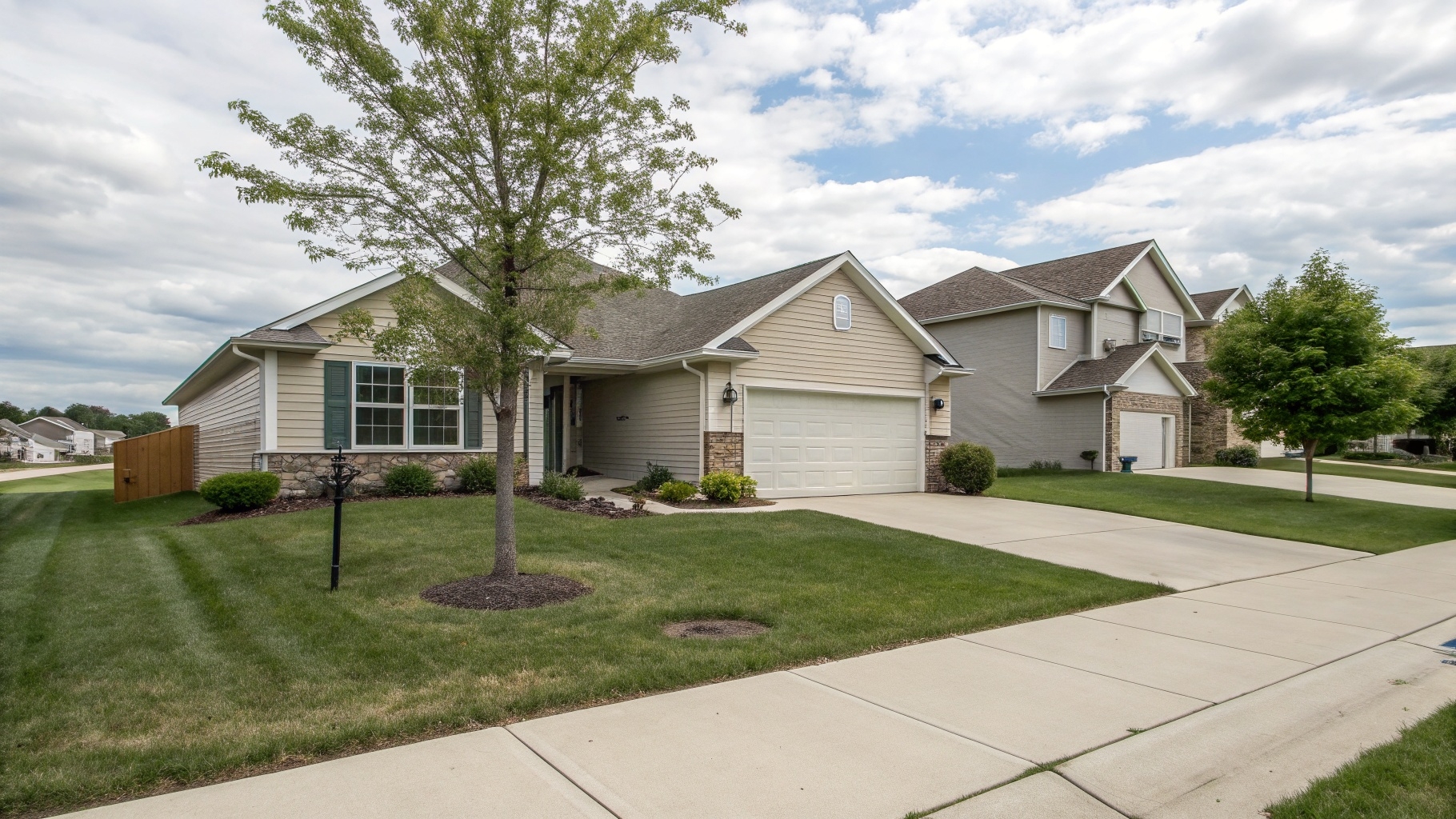
Brookfield's 1960s-1990s colonial homes on large lots with mature oak-maple canopy create ideal stinging-insect habitat at every structural level. The tree canopy provides sheltered nesting sites for bald-faced hornets at 15-40 feet. The wood soffits, gable vents, and decorative fascia typical of colonial-style architecture offer protected cavities for paper wasp colonies. And the landscaped yards — with mulch beds, garden borders, stone retaining walls, and in-ground sprinkler valve boxes — provide underground nesting sites for yellow jackets.
Elm Grove shares Brookfield's canopy density but adds another risk factor: many homes have attached pergolas, gazebos, and covered porches that create additional protected nesting surfaces. Menomonee Falls, the largest village in Waukesha County, introduces a multi-unit housing dimension — apartment complexes and townhome developments concentrate food waste in dumpster areas, attracting yellow jackets that then nest in adjacent landscaping.
The Underwood Creek greenway that runs through both Brookfield and Elm Grove is a particular concern. Riparian vegetation along the creek provides nectar sources that sustain wasp populations, and the creek's banks are riddled with the rodent burrows that yellow jackets repurpose as nest sites.
Wasp colony growth is temperature-dependent. Queen wasps that emerged from overwintering in April laid their first brood in May, and those workers began foraging by early June. When average June temperatures run 3-5°F above the 30-year normal — as they did across Waukesha County in 2026 — each brood cycle shortens by 2-3 days. The compounding effect over 4-6 brood cycles means colonies are 10-14 days ahead of schedule by mid-July.
For Brookfield homeowners, this translates to a practical problem: nests that would normally be manageable through July are already large enough to pose removal challenges. Paper wasp nests under eaves are now multi-comb structures requiring careful treatment rather than simple knockdown. Yellow jacket colonies underground have enough workers to mount aggressive defensive responses when disturbed by lawn mowing, foot traffic, or vibration from nearby construction.
The dry conditions through June also reduced standing water that supports parasitic wasps — natural predators that keep colony sizes in check. Without this biological control, 2026 colony sizes in the Brookfield area are trending 15-20% larger than the 5-year average.
PIP provides same-day emergency service and free inspections throughout Waukesha County. Our locally-based technicians know the specific pest conditions described in this report.
Survey these areas on your Brookfield, Elm Grove, or Menomonee Falls property this week — and do so from a safe distance:
Do not attempt to remove nests yourself once colonies exceed 50 workers. Store-bought wasp sprays have limited range (6-12 feet), and disturbing a colony without fully eliminating it triggers a mass defensive response. Yellow jacket nests underground are particularly dangerous — the spray cannot reach the full nest cavity, and hundreds of agitated workers will pour from the entrance.
Do not seal nest entrances hoping to trap wasps inside. They will chew through drywall and emerge inside your living space.
Do not use fire, gasoline, or water to destroy nests. These are ineffective, dangerous, and can damage your property.
Call PIP at (262) 893-5271 for same-day nest removal. Our Waukesha County technicians carry protective equipment, extension tools for high-canopy nests (Brookfield's tree-line nests often require 30+ foot reach), and professional-grade products that eliminate the colony in a single treatment. Every PIP wasp removal includes a 30-day warranty — if the colony reactivates, we return at no charge.
For homeowners with known allergies to stinging insects, PIP offers priority scheduling. Mention your allergy when calling and we will expedite your service window.
Every PIP treatment is backed by our satisfaction guarantee. If pests return between scheduled services, we re-treat your property at no additional charge. All products are EPA-registered and pet-safe after drying.
A warm, dry June accelerated wasp colony development by 10-14 days. Brookfield's mature oak-maple canopy, colonial-style architecture with wood soffits, and the Underwood Creek greenway create ideal habitat at every level — treetop to underground. Reduced parasitic-wasp populations due to dry conditions removed a natural population check.
PIP wasp nest removal pricing in Brookfield depends on nest location (ground level, eave height, or high canopy), colony size, and species. High-canopy bald-faced hornet nests requiring extension equipment are at the upper range. Free inspection and pricing before treatment begins. 30-day warranty included. No contracts required.
No — lawn mower vibration triggers defensive swarming from underground yellow jacket colonies. Multiple stings from an agitated colony can cause anaphylaxis even in people without prior allergic reactions. Call PIP for same-day removal before resuming lawn maintenance near the nest.
Yes. PIP uses targeted products applied directly to nest entrances and cavities — not broadcast across lawns. The treatment area is flagged and off-limits for 2-4 hours during active treatment, after which it is safe for children and pets. Underground yellow jacket treatments are injected into the nest cavity and sealed.
We live and work in Mukwonago. Your pest problems are our neighborhood's pest problems. No call centers, no corporate runaround.
Unlike reactive exterminators, PIP focuses on preventing infestations before they start. Our seasonal programs keep pests out year-round.
We use targeted, EPA-registered products with minimal environmental impact. Safe for your family, pets, and Wisconsin's ecosystem.
Wasp nest by the front door? Mice in the kitchen? We respond the same day because emergencies can't wait.
Pay only for what you need. No long-term commitments, no cancellation fees. Pricing based on your home square footage. We earn your business every visit.
Love PIP? Refer a friend and you both save. You earn 10–20% off your next service; they get 20% off their first.
Don't wait when safety is at risk. PIP's emergency team responds same-day across Waukesha County.
Call Now: (262) 893-5271