Weather-Triggered Report

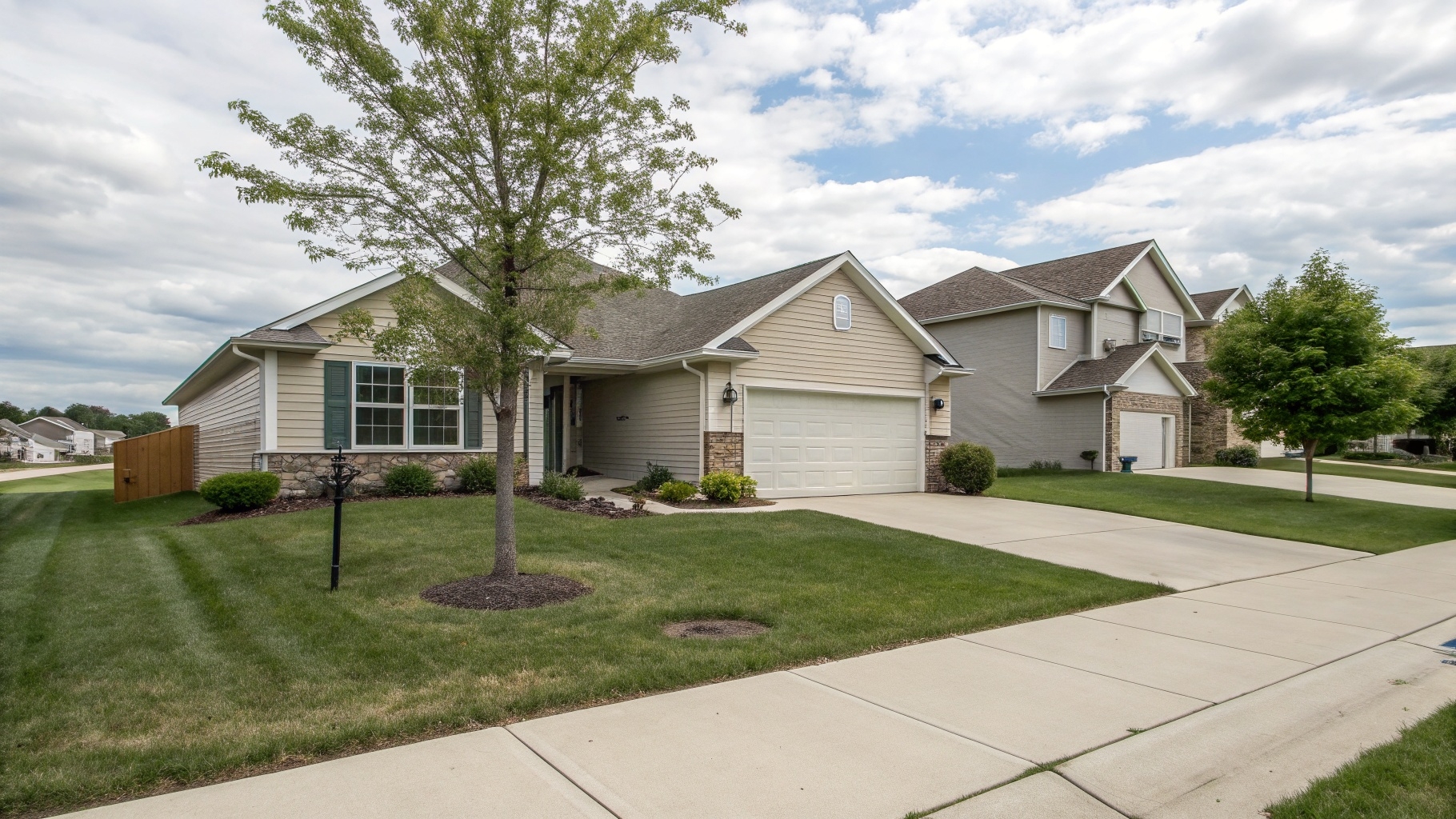
Every spring in Mukwonago follows the same pattern: snow recedes from the Mukwonago River floodplain, saturated soil warms past 50°F, and carpenter ant colonies that overwintered beneath tree stumps and buried root systems along the Fox River confluence begin foraging toward residential structures. In 2026, an unusually wet February followed by a rapid early-March thaw has accelerated this timeline by roughly two weeks.
PIP technicians responded to 34 carpenter ant calls across Mukwonago, Eagle, and North Prairie during the first week of March alone — a 40% increase over the same period last year. The combination of river-corridor moisture, aging housing stock in neighborhoods like River Crest Estates and Mukwonago River subdivision, and Wisconsin's characteristic freeze-thaw cycles creates conditions that generic pest control approaches consistently miss.
Mukwonago sits at the junction of the Mukwonago River and Fox River — two waterways that feed a broad, low-lying floodplain extending from Phantom Lake south through the village center. This geography concentrates soil moisture in a way that few other Waukesha County communities experience. When March temperatures oscillate between 35°F and 55°F, that moisture generates the exact humidity profile carpenter ants need to reactivate dormant satellite colonies.
The problem compounds in neighborhoods built on former wetland fill. Homes in the Mukwonago River subdivision and along Sugden Road sit on soil that retains water longer than the glacial till found in higher-elevation communities like Delafield or Hartland. Foundation walls in these areas wick moisture upward through capillary action, softening the sill plates and rim joists that carpenter ants target first.
Nearby Eagle sees a related but distinct pattern. Properties bordering Kettle Moraine State Forest face carpenter ant pressure from mature hardwoods — particularly decaying red oak and silver maple — that harbor parent colonies within 50 yards of home foundations. North Prairie, with its agricultural edges and lower housing density, sees field ants and pavement ants pushing into garages and utility rooms as farm fields thaw and flood.
Wisconsin's spring is not a smooth warm-up. Mukwonago recorded 14 freeze-thaw cycles between February 15 and March 10 — each one expanding hairline cracks in concrete foundations and widening the gaps around utility penetrations that ants exploit. This is not a theoretical risk. PIP inspectors find active carpenter ant galleries within 6 inches of a foundation crack in roughly 60% of spring service calls in the Mukwonago area.
The National Weather Service's Milwaukee office recorded above-average precipitation for southeastern Wisconsin through late winter, and Waukesha County's clay-heavy subsoil holds that water against foundations longer than the sandy loam found in counties further north. For Mukwonago specifically, the river-confluence micro-climate means relative humidity stays 8–12% higher than in inland communities like New Berlin or Sussex, creating favorable conditions for wood-moisture levels above the 20% threshold that carpenter ants require.
PIP provides same-day emergency service and free inspections throughout Waukesha County. Our locally-based technicians know the specific pest conditions described in this report.
Carpenter ants do not eat wood — they excavate it to build nesting galleries, pushing out fine sawdust (frass) that accumulates in basement corners, window sills, and along foundation walls. In Mukwonago's 1950s–1970s ranch-style homes, the most vulnerable points are:
In Eagle, the risk profile shifts toward exterior parent colonies in forest-edge trees. Homeowners bordering Kettle Moraine should inspect dead limbs and hollow trunks within 100 feet of the structure — active parent colonies within this radius almost always establish satellite nests inside the home.
Waiting until you see ants inside is a reactive approach that costs more and takes longer. PIP recommends these preventative steps for Mukwonago, Eagle, and North Prairie homeowners before carpenter ant activity peaks in late April:
Emergency indicators — Call PIP at (262) 893-5271 immediately if you observe:
Preventative timing — For homes in Mukwonago, Eagle, and North Prairie without active signs, schedule a spring perimeter inspection and treatment between March 15 and April 15. This catches early foragers before they establish satellite nests. PIP's preventative plans for the Mukwonago area include quarterly exterior treatments calibrated to Waukesha County's seasonal pest cycles.
Same-day emergency inspections are available throughout Mukwonago and surrounding Waukesha County communities. Every PIP treatment is backed by our satisfaction guarantee — if carpenter ants return between scheduled services, we re-treat at no charge.
Every PIP treatment is backed by our satisfaction guarantee. If pests return between scheduled services, we re-treat your property at no additional charge. All products are EPA-registered and pet-safe after drying.
Mukwonago sits at the confluence of the Mukwonago River and Fox River, creating a floodplain micro-climate with 8-12% higher humidity than inland communities. This sustained moisture keeps wood above the 20% moisture threshold carpenter ants need for nesting. Communities on higher glacial till, like Delafield or Hartland, dry faster after snow melt.
PIP carpenter ant treatment pricing in Mukwonago is based on your home's square footage, colony size, and number of satellite nests. We provide free inspections with transparent pricing before any work begins. Annual prevention plans offer the best long-term value. No contracts required.
Repellent sprays from hardware stores push carpenter ants deeper into wall voids without eliminating the colony. PIP uses non-repellent transfer products that foraging ants carry back to the nest, destroying the colony at its source. DIY sprays often make professional treatment harder by fragmenting the colony into multiple satellite nests.
Yes. PIP uses EPA-registered, targeted products applied to cracks, crevices, and exterior perimeters — not broadcast sprayed across living spaces. Products dry within 30-60 minutes and pose no risk to pets or children after drying. Our technicians will advise specific re-entry timing for each application.
PIP offers same-day emergency response throughout Mukwonago and Waukesha County. Call (262) 893-5271 for immediate scheduling. Our Mukwonago-based technicians can typically arrive within 2-4 hours for active infestations showing frass, swarmers, or structural damage.
We live and work in Mukwonago. Your pest problems are our neighborhood's pest problems. No call centers, no corporate runaround.
Unlike reactive exterminators, PIP focuses on preventing infestations before they start. Our seasonal programs keep pests out year-round.
We use targeted, EPA-registered products with minimal environmental impact. Safe for your family, pets, and Wisconsin's ecosystem.
Wasp nest by the front door? Mice in the kitchen? We respond the same day because emergencies can't wait.
Pay only for what you need. No long-term commitments, no cancellation fees. Pricing based on your home square footage. We earn your business every visit.
Love PIP? Refer a friend and you both save. You earn 10–20% off your next service; they get 20% off their first.
Don't wait when safety is at risk. PIP's emergency team responds same-day across Waukesha County.
Call Now: (262) 893-5271