Preventative Education

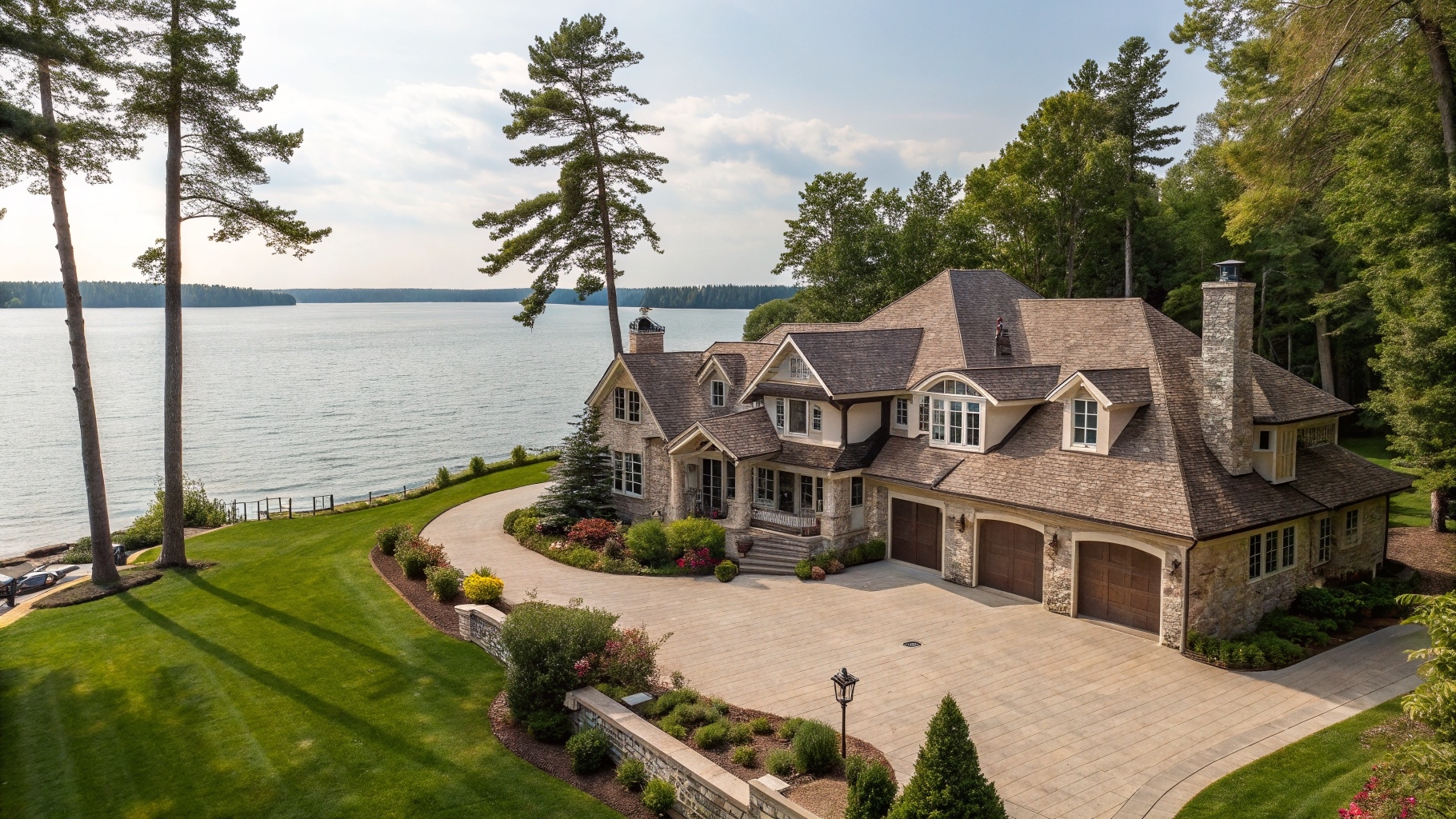
Muskego's identity is inseparable from its lakes. Big Muskego Lake (2,260 acres) and Little Muskego Lake (585 acres) draw homebuyers seeking waterfront living in Waukesha County — but that lakefront premium comes with a pest-control cost that generic suburban approaches cannot address. Lake-effect humidity extends Muskego's mosquito season by 2-3 weeks beyond what inland communities like Sussex or Lannon experience, and the shallow marshy margins of Big Muskego Lake produce mosquito larvae in volumes that dwarf anything found in a typical backyard birdbath.
This spotlight examines why Muskego lake properties — and nearby Big Bend and southern Mukwonago — face a structurally different mosquito problem, and what evidence-based prevention looks like for lakefront and lake-adjacent homes in southeastern Waukesha County.
Big Muskego Lake is a shallow, eutrophic lake — average depth approximately 4 feet — with extensive cattail marshes and sedge meadows along its northern and western shorelines. These shallow vegetated margins are the most productive mosquito-breeding habitat in Waukesha County. A single acre of cattail marsh can produce hundreds of thousands of mosquito larvae per week during peak summer conditions.
The lake also generates a localized humidity dome. Evening temperatures on lakefront properties in Muskego remain 3-5°F warmer than properties just 2 miles inland due to thermal mass from the water. This warmer, more humid microclimate extends the daily window when mosquitoes are actively feeding — from roughly 6 PM-10 PM in inland areas to 5 PM-midnight on the lakefront.
Little Muskego Lake, though deeper and less marshy, contributes through its storm-drain inflows. Urban runoff from surrounding development pools in retention basins and drainage ditches that feed the lake, creating secondary breeding sites throughout the Muskego residential grid.
Big Bend sits downstream along the Fox River from Muskego, and receives mosquito populations that breed in Muskego's lake margins and ride evening air currents southward along the river corridor. Southern Mukwonago sees a similar downstream effect from the Fox River and Mukwonago River junction.
Not all Muskego lake properties face equal mosquito pressure. PIP's service history reveals consistent patterns:
In Big Bend, the Fox River floodplain creates its own seasonal breeding pools after June thunderstorms. These temporary pools — called vernal pools when they form in spring, pluvial pools in summer — hatch mosquitoes within 7-10 days of filling and can produce multiple generations before drying out.
PIP provides same-day emergency service and free inspections throughout Waukesha County. Our locally-based technicians know the specific pest conditions described in this report.
Lake-community mosquito control requires a different approach than standard suburban misting. PIP's protocol for Muskego, Big Bend, and lakefront Mukwonago properties includes:
PIP offers seasonal mosquito plans (May-September, 5-7 treatments) designed for Muskego lake-community conditions. Plans include free service calls between scheduled treatments if weather events create unexpected breeding opportunities.
Beyond property treatment, Muskego lakefront families should incorporate these daily habits during mosquito season:
For comprehensive lakefront mosquito management in Muskego, Big Bend, or Mukwonago, contact PIP at (262) 893-5271. Free property assessments available — our technicians will walk the shoreline, identify breeding sources, and provide a customized treatment plan before any commitment.
Every PIP treatment is backed by our satisfaction guarantee. If pests return between scheduled services, we re-treat your property at no additional charge. All products are EPA-registered and pet-safe after drying.
Big Muskego Lake is a shallow, eutrophic lake with extensive cattail marshes that produce hundreds of thousands of larvae per acre per week. The lake generates a humidity dome that extends feeding hours to midnight on lakefront properties. Inland communities like Sussex or Lannon lack these large-scale breeding habitats and the lake-effect microclimate.
PIP seasonal mosquito plan pricing for Muskego lake properties is based on your lot's square footage, shoreline frontage, and treatment frequency. Free property assessments help determine the right frequency for your specific location. No contracts required.
Yes. PIP uses products specifically labeled for lakefront application — including Bti larvicide, which is a biological product harmless to fish, birds, pets, and beneficial insects. Barrier sprays are applied to vegetation and structures, not directly to water. Application setbacks from the water line are maintained per label requirements.
Source reduction (eliminating standing water) can reduce on-property mosquito production by 70-80%. Screens, fans, and personal repellent add additional protection. However, for Muskego lake properties where mosquitoes breed in the lake marsh and fly onto your property, some form of barrier treatment is necessary for meaningful evening comfort.
We live and work in Mukwonago. Your pest problems are our neighborhood's pest problems. No call centers, no corporate runaround.
Unlike reactive exterminators, PIP focuses on preventing infestations before they start. Our seasonal programs keep pests out year-round.
We use targeted, EPA-registered products with minimal environmental impact. Safe for your family, pets, and Wisconsin's ecosystem.
Wasp nest by the front door? Mice in the kitchen? We respond the same day because emergencies can't wait.
Pay only for what you need. No long-term commitments, no cancellation fees. Pricing based on your home square footage. We earn your business every visit.
Love PIP? Refer a friend and you both save. You earn 10–20% off your next service; they get 20% off their first.
Don't wait when safety is at risk. PIP's emergency team responds same-day across Waukesha County.
Call Now: (262) 893-5271