Neighborhood Spotlight

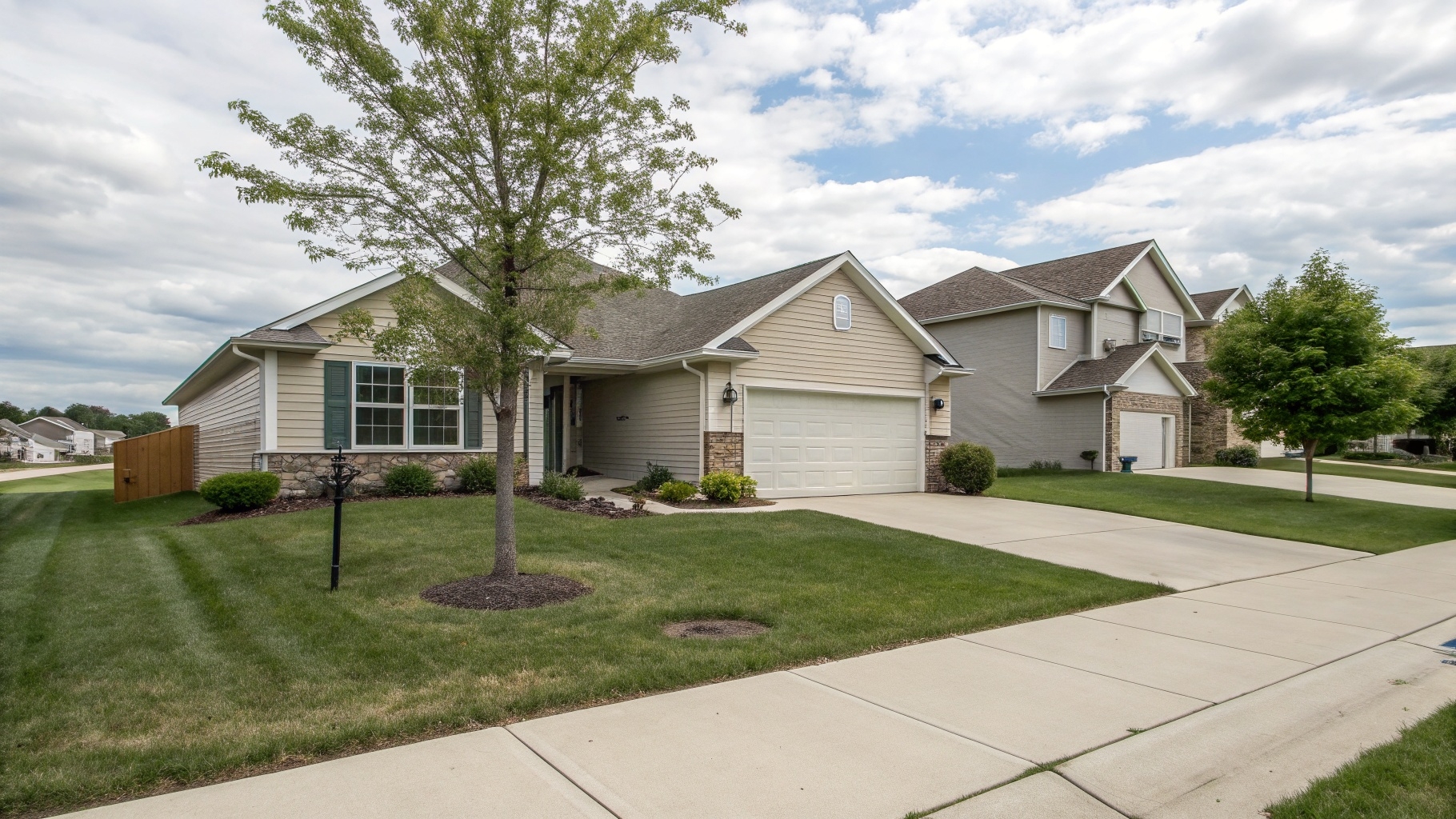
On January 16-17, 2027, Waukesha County recorded daytime highs of 48-52°F after three weeks of continuous sub-freezing temperatures. Within hours, homeowners across Waukesha, Pewaukee, and Oconomowoc began reporting the same phenomenon: cluster flies buzzing against upper-story windows, boxelder bugs crawling along south-facing baseboards, Asian lady beetles dropping from ceiling light fixtures, and stink bugs appearing on curtains and warm appliance surfaces.
This is not a new infestation. These insects entered wall cavities in October and have been dormant — in a state called diapause — through the coldest weeks of winter. The January thaw warmed the south and west-facing wall cavities above the activation threshold (approximately 50°F interior wall temperature), causing overwintering populations to become mobile. Confused by the warmth, they migrate toward light and heat — which means they move inward, into your living spaces, instead of outward toward the exterior they originally entered from.
Overwintering insects in Waukesha County wall cavities exist in a metabolic state called diapause — a programmed dormancy triggered by shortening day length and falling temperatures in autumn. During diapause, their metabolic rate drops 80-90%, and they can survive weeks without food or water in temperatures down to approximately 15-20°F (the insulated wall cavity stays warmer than outside air).
Reactivation occurs when wall-cavity temperatures rise above approximately 50°F. On south-facing walls, this can happen within 4-6 hours of exterior temperatures reaching 45-50°F, because solar radiation on the siding adds 10-15°F to the wall cavity above ambient air temperature. This is why reactivation begins on south and west-facing walls and upper stories first — these receive the most direct sun.
The insects do not "decide" to come inside. Their photo-positive and thermo-positive orientation (move toward light and heat) leads them toward interior light sources rather than toward the exterior surface they originally entered from. The result: bugs that entered through exterior gaps in October emerge through interior gaps — around window casings, baseboards, electrical outlets, and ceiling fixtures — into your living space.
PIP's January thaw call data reveals consistent geographic patterns:
Modern, well-insulated homes (post-2000 construction) with tight building envelopes rarely experience winter reactivation because fewer overwintering insects enter in the first place and the insulated wall cavities are thermally stable — they do not warm rapidly during brief thaw events.
PIP provides same-day emergency service and free inspections throughout Waukesha County. Our locally-based technicians know the specific pest conditions described in this report.
When overwintering insects emerge during a January thaw, the response is management — not elimination. The insects are already inside your walls; the goal is to minimize their presence in living spaces until they return to dormancy when cold weather resumes (usually within 48-72 hours of the thaw ending).
January reactivation is a symptom of inadequate fall exclusion. The real solution is preventing entry in the first place — which means sealing the building envelope before the October swarming season. PIP recommends scheduling fall exclusion work in August-September for the best results.
For Waukesha, Pewaukee, and Oconomowoc homeowners experiencing their first significant reactivation event, PIP offers a winter assessment and spring exclusion plan:
If you are dealing with a January reactivation emergency, call PIP at (262) 893-5271 for same-day interior management service and a winter assessment that sets up permanent prevention for next fall.
Every PIP treatment is backed by our satisfaction guarantee. If pests return between scheduled services, we re-treat your property at no additional charge. All products are EPA-registered and pet-safe after drying.
Overwintering insects (cluster flies, boxelder bugs, lady beetles, stink bugs) entered your wall cavities in October. A January thaw warming south-facing walls above 50°F reactivates them from dormancy. Confused by the warmth, they migrate toward interior light and heat rather than back outside. This is a reactivation, not a new infestation.
Yes. When exterior temperatures drop and wall cavities cool back below 50°F, active insects return to dormancy. Reactivation events typically last 2-4 days, coinciding with the thaw duration. You may experience multiple reactivations during winter if Waukesha County has repeated thaw events in January-March.
No. Spraying into wall cavities kills some insects but leaves thousands of carcasses that attract carpet beetles and dermestid beetles — a secondary pest problem. The dead bugs also decompose and produce odors. PIP recommends vacuum removal of emerged bugs and fall exclusion to prevent the next cycle.
Seal all exterior entry points before October swarming season: caulk window/door frames, screen soffit and gable vents, seal siding laps, and repair mortar joints. PIP offers a winter assessment (mapping emergence points from inside) followed by fall exclusion (sealing from outside) for Pewaukee and Waukesha County homes. This prevents the next winter entirely.
We live and work in Mukwonago. Your pest problems are our neighborhood's pest problems. No call centers, no corporate runaround.
Unlike reactive exterminators, PIP focuses on preventing infestations before they start. Our seasonal programs keep pests out year-round.
We use targeted, EPA-registered products with minimal environmental impact. Safe for your family, pets, and Wisconsin's ecosystem.
Wasp nest by the front door? Mice in the kitchen? We respond the same day because emergencies can't wait.
Pay only for what you need. No long-term commitments, no cancellation fees. Pricing based on your home square footage. We earn your business every visit.
Love PIP? Refer a friend and you both save. You earn 10–20% off your next service; they get 20% off their first.
Don't wait when safety is at risk. PIP's emergency team responds same-day across Waukesha County.
Call Now: (262) 893-5271