Weather-Triggered Report

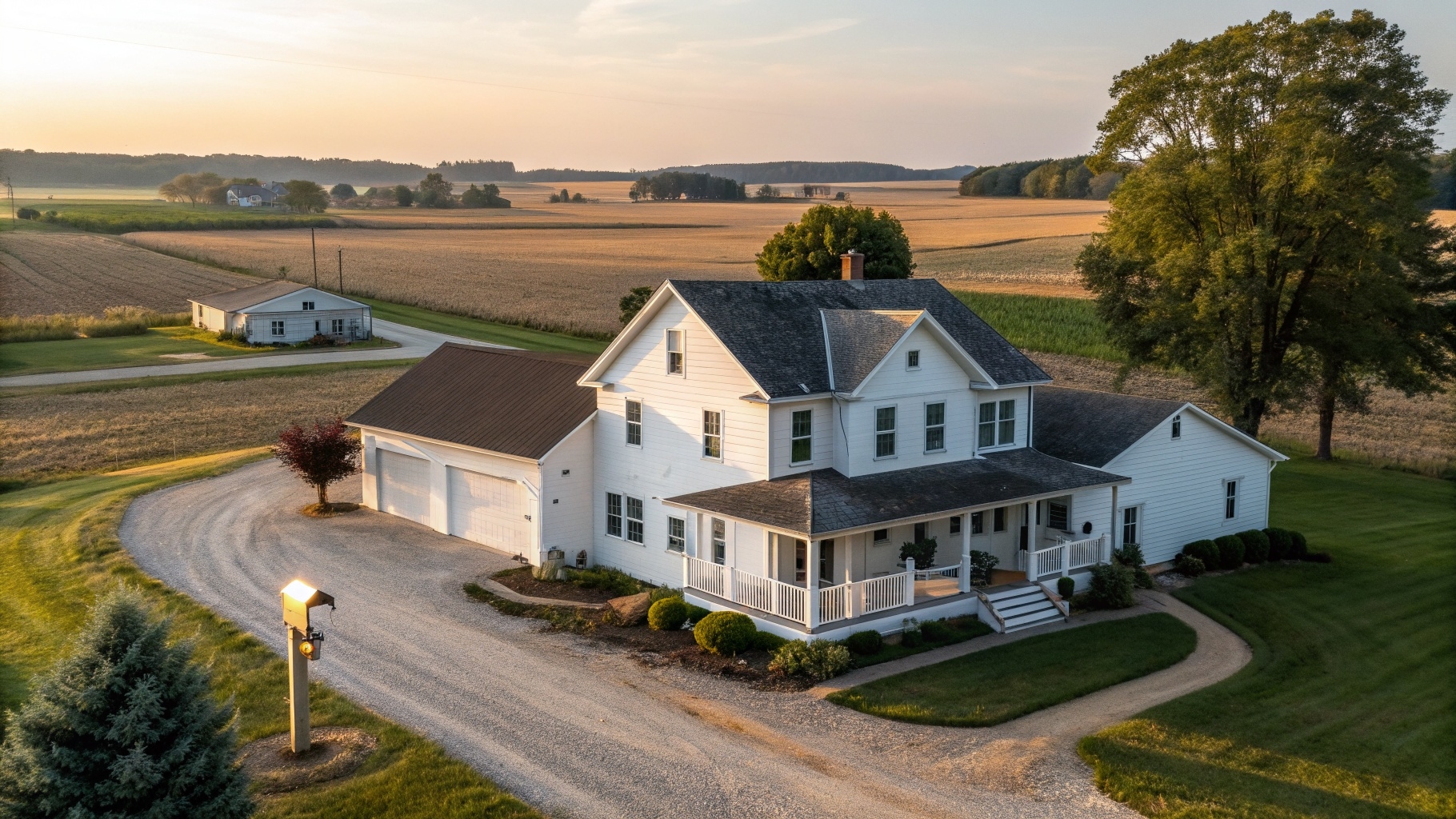
The first hard frost in Waukesha County arrived on September 18, 2026 — twelve days ahead of the 10-year average. Within 48 hours, PIP's service desk logged 23 mouse calls from New Berlin and Sussex alone, compared to 8 for the same period last year. The pattern is textbook for agricultural-edge communities: corn and soybean harvest exposes field mice that have spent all summer breeding in crop cover, and the sudden loss of shelter combined with dropping temperatures drives them toward the nearest warm structure.
New Berlin and Sussex sit on Waukesha County's agricultural transition zone — residential developments built on former farmland that still abuts active agricultural parcels. This edge habitat creates one of the highest fall mouse-migration pressures in the county. Lannon, north of Sussex, faces a related pattern where open fields and the quarry corridor funnel mice toward the village's dense residential core.
Wisconsin's corn and soybean harvest typically begins in mid-September and runs through October. In New Berlin, active agricultural parcels border residential neighborhoods along the western and southern margins of the community. The Coffee Creek corridor and Root River headwaters area sit at the interface between crop fields and 1970s-2020s residential development — exactly where mouse migration pressure concentrates.
During the growing season, a single acre of corn can support 12-15 deer mice and white-footed mice. When the combine rolls through, that habitat disappears in hours. The mice disperse in all directions, but preferentially move toward structures within 300-500 feet — which in New Berlin means garages, garden sheds, and home foundations along the agricultural edge.
Sussex sees the same dynamic on its western and northern margins, where newer subdivisions were built on land that was farmland 10-20 years ago. Even where the fields have been developed, the mice established in remaining hedgerows, drainage ditches, and unmaintained utility easements maintain populations that surge toward homes each fall. Lannon's quarry corridor adds a unique dimension — the exposed limestone retaining walls and rubble piles provide excellent rodent harborage connected to residential blocks by grassy margins.
Typically, fall mouse migration in Waukesha County occurs gradually from late September through November as temperatures slowly decline. When an early hard frost compresses this timeline — as happened on September 18, 2026 — the migration is sudden and concentrated. Instead of mice trickling into homes over 6-8 weeks, they arrive in a mass wave within 7-10 days.
Sussex, positioned in northern Waukesha County at a slightly higher elevation than Mukwonago or Muskego, experiences cooler fall temperatures 1-2 weeks earlier. This means Sussex homes see mouse activity before communities further south — giving Sussex homeowners a shorter window to complete exclusion work before mice establish inside.
The cold-air drainage pattern in New Berlin compounds the issue. Cold air pools in the low-lying areas along Coffee Creek and the Root River headwaters, creating micro-frost conditions in valley neighborhoods while higher-ground properties remain above freezing. This funnels mouse migration toward specific neighborhoods rather than distributing it evenly across the community.
PIP provides same-day emergency service and free inspections throughout Waukesha County. Our locally-based technicians know the specific pest conditions described in this report.
A mouse can fit through any gap the width of a dime — roughly 6mm. In New Berlin's 1970s-2000s construction, the most common entry points are:
In Sussex, newer construction (2005-2020s) has different vulnerabilities: J-channel gaps in vinyl siding, unsealed builder-installed window flanges, and construction-debris fill against foundations that provides mice with cover to reach entry points. Lannon's older village homes (1940s-1970s) feature fieldstone and block foundations with mortar joints that crumble and widen with Wisconsin's freeze-thaw cycles.
Trapping alone does not solve agricultural-edge mouse problems. You cannot out-trap a continuous influx from surrounding fields. PIP's fall exclusion protocol addresses the source of entry:
PIP's fall exclusion service includes a 90-day warranty. If mice re-enter through sealed points, we return and re-seal at no additional charge. For New Berlin, Sussex, and Lannon homes on the agricultural edge, we recommend combining fall exclusion with our quarterly prevention plan to maintain protection through winter.
Schedule your fall exclusion now — call (262) 893-5271 or book online. Same-day inspections available throughout Waukesha County.
Every PIP treatment is backed by our satisfaction guarantee. If pests return between scheduled services, we re-treat your property at no additional charge. All products are EPA-registered and pet-safe after drying.
New Berlin sits on Waukesha County's agricultural transition zone. Active crop fields within 500 feet of residential areas produce 12-15 mice per acre that migrate indoors when harvest removes their cover and frost drops temperatures. Without exclusion (sealing entry points), this happens annually because the source population replenishes every growing season.
PIP mouse exclusion pricing for New Berlin and Sussex homes is based on your home's square footage and number of entry points identified. Agricultural-edge homes average 8-15 entry points. Your quote includes inspection, mechanical sealing, interior trapping, and exterior bait stations. 90-day warranty covers re-entry through sealed points. Free inspection — no contracts required.
Traps alone cannot solve an agricultural-edge mouse problem. With continuous influx from surrounding fields, you will catch mice indefinitely without reducing the population inside. Exclusion (sealing entry points) stops new mice from entering, then trapping eliminates those already inside. PIP combines both for lasting results.
Yes. Mice contaminate food with Salmonella and Hantavirus-carrying droppings, gnaw electrical wiring (fire hazard), and damage insulation. A single pair of mice can produce 60+ offspring per year. In Sussex and New Berlin, fall migration can introduce 10-20+ mice into an unprotected home within weeks. Early exclusion prevents population establishment.
PIP offers same-day emergency response throughout Waukesha County during fall migration season. Call (262) 893-5271 for immediate scheduling. During peak October-November migration, we add technician capacity to maintain same-day availability for New Berlin, Sussex, Lannon, and surrounding communities.
We live and work in Mukwonago. Your pest problems are our neighborhood's pest problems. No call centers, no corporate runaround.
Unlike reactive exterminators, PIP focuses on preventing infestations before they start. Our seasonal programs keep pests out year-round.
We use targeted, EPA-registered products with minimal environmental impact. Safe for your family, pets, and Wisconsin's ecosystem.
Wasp nest by the front door? Mice in the kitchen? We respond the same day because emergencies can't wait.
Pay only for what you need. No long-term commitments, no cancellation fees. Pricing based on your home square footage. We earn your business every visit.
Love PIP? Refer a friend and you both save. You earn 10–20% off your next service; they get 20% off their first.
Don't wait when safety is at risk. PIP's emergency team responds same-day across Waukesha County.
Call Now: (262) 893-5271