Neighborhood Spotlight

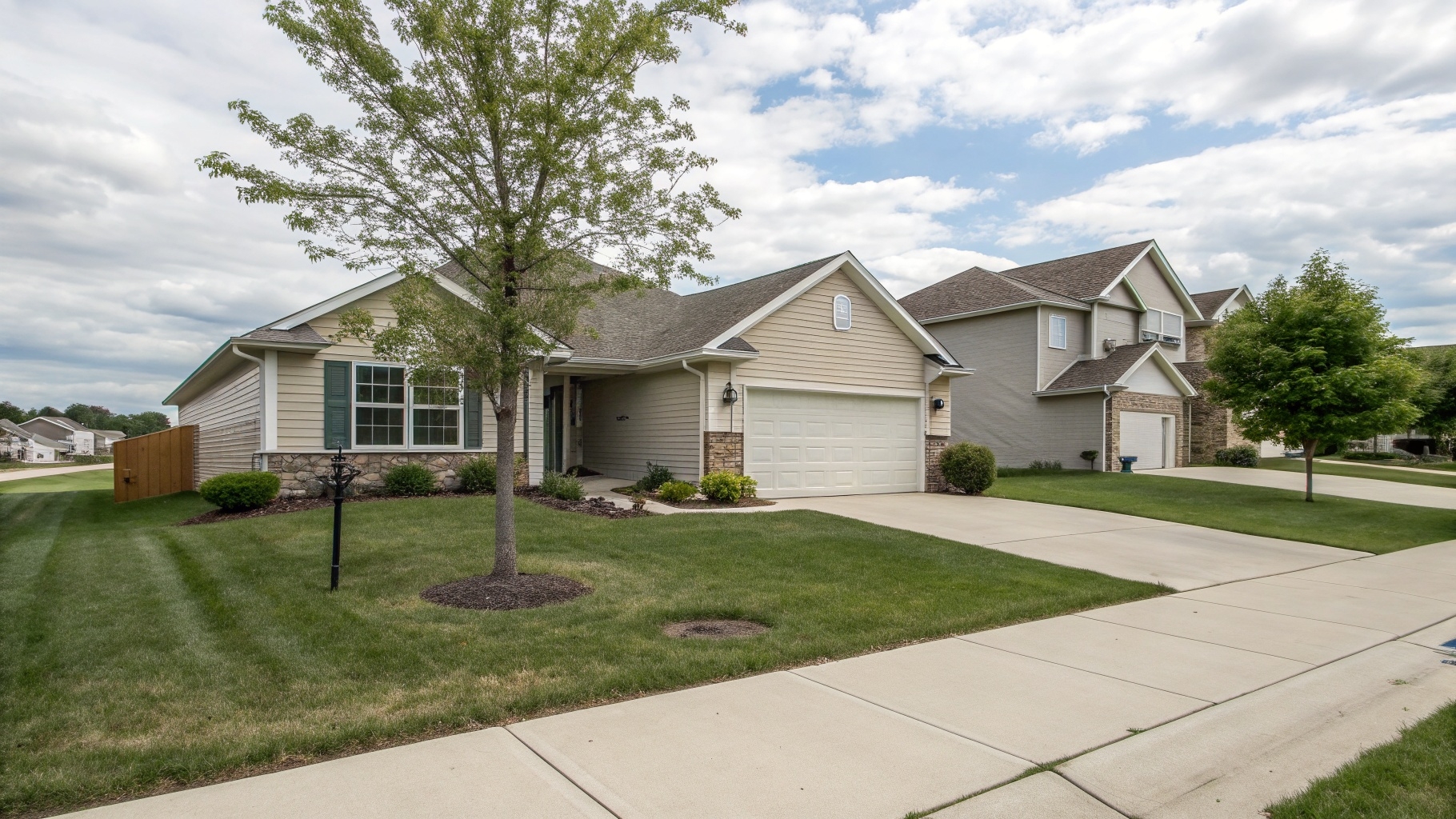
If you live in Pewaukee or Hartland and noticed hundreds of dark, red-lined insects congregating on your south-facing walls and windows during warm October afternoons — you are looking at boxelder bugs in their annual overwintering migration. This is not a random event. It is a temperature-triggered behavior as predictable as the fall leaf change, and in 2026, an unseasonably warm first week of October (daytime highs of 72-75°F following nighttime lows in the mid-30s) created the exact thermal differential that drives peak swarming.
Pewaukee's historic village core, with its late-1800s to mid-century homes featuring original wood siding and single-pane windows, sees some of the heaviest boxelder bug pressure in Waukesha County. Hartland's downtown historic homes face similar vulnerability, compounded by the Bark River corridor that supports the box elder trees (Acer negundo) these insects depend on. Delafield, positioned between the two, reports identical patterns on its older lakefront and village-core properties.
Boxelder bugs feed almost exclusively on the seeds of female box elder trees — and both Pewaukee and Hartland have mature box elder populations along their waterways. The Pewaukee River and Pewaukee Lake shoreline are lined with box elders that thrive in the moist riparian soil. The Bark River running through downtown Hartland supports another dense stand of these trees, which are considered "weedy" by arborists but are deeply established in both communities.
The overwintering behavior begins when nighttime temperatures drop below 50°F consistently. Bugs that spent summer feeding on box elder seeds begin seeking protected, south-facing surfaces that absorb solar heat during the day. They aggregate in masses of dozens to thousands on siding, window frames, and foundation walls — then work their way into wall cavities through gaps around windows, under siding laps, and through weep holes in brick veneer.
Pewaukee's historic village homes — many with original wood lap siding, single-pane windows with putty glazing, and unscreened soffit vents — have exponentially more entry points than modern construction. Hartland's mix of 1920s-1960s downtown homes and newer Bark River-corridor development sees heavy pressure on the older stock while newer homes are largely protected by tighter construction.
Lake Pewaukee adds a microclimate factor. The lake's thermal mass keeps Pewaukee 2-3°F warmer than inland communities through October, which extends the swarming window. Bugs that would stop congregating by October 10 in Lannon or Butler continue swarming in Pewaukee through the third week of October.
Boxelder bug swarming is driven by a specific thermal pattern: nighttime temperatures below 50°F activate overwintering instinct, and daytime temperatures above 65°F energize the bugs to fly and congregate on warm surfaces. The wider this daily temperature swing, the more intense the swarming.
October 2-5, 2026 delivered the widest swings of the season across Waukesha County: overnight lows of 33-38°F and afternoon highs of 72-75°F — a 35-40°F daily range. PIP received more boxelder bug calls during this 4-day window than during the entire month of October 2025.
Asian lady beetles and brown marmorated stink bugs follow identical thermal cues, and PIP technicians regularly find all three species swarming the same south-facing wall simultaneously in Pewaukee and Hartland. The combined mass can number in the thousands on a single home, and the staining and odor from crushed bugs becomes a quality-of-life issue that extends through winter as overwintering populations occasionally reactivate during January and February warm spells.
PIP provides same-day emergency service and free inspections throughout Waukesha County. Our locally-based technicians know the specific pest conditions described in this report.
Once boxelder bugs are inside your wall cavities, they cannot be effectively removed until they emerge in spring. Prevention means sealing entry points before the fall swarming window — or at least during its early stages:
For bugs already congregating on exterior walls, PIP applies a residual barrier treatment to south and west-facing surfaces. This reduces the population entering wall cavities by 85-95% and is most effective when applied during the first week of swarming activity.
If boxelder bugs are already appearing inside your Pewaukee, Hartland, or Delafield home:
For heavy interior presence, PIP can apply targeted crack-and-crevice treatment around interior emergence points (window frames, light fixtures, baseboards) to reduce the number reaching living spaces. This is a management strategy, not elimination — true elimination requires exterior exclusion before the next fall swarming season.
Schedule your fall overwintering-pest exclusion now: call (262) 893-5271 or book online.
Every PIP treatment is backed by our satisfaction guarantee. If pests return between scheduled services, we re-treat your property at no additional charge. All products are EPA-registered and pet-safe after drying.
Pewaukee has dense populations of female box elder trees along the Pewaukee River and lake shoreline. These trees produce the seeds that boxelder bugs feed on all summer. In fall, the bugs migrate to south-facing walls to overwinter, and Pewaukee's historic homes with wood siding and original windows provide thousands of entry points. Lake Pewaukee's thermal mass extends the swarming window 1-2 weeks beyond inland areas.
Boxelder bugs do not bite, sting, transmit disease, or damage structures. They are a nuisance pest that stains surfaces when crushed (orange secretion) and produces a foul odor. Large overwintering populations inside walls attract secondary pests like carpet beetles. The primary concern is quality-of-life and the staining damage to curtains, upholstery, and light-colored surfaces.
Removing female box elder trees on your property reduces the local food source but will not eliminate boxelder bugs — they can fly hundreds of yards from feeding trees to overwintering sites. Hartland and Pewaukee have extensive box elder populations along public waterways that cannot be removed. Exterior exclusion (sealing entry points) and barrier treatment are more effective and practical solutions.
PIP exterior barrier treatment pricing for boxelder bugs in Hartland is based on your home's square footage and number of affected surfaces. Exclusion work (caulking, screening, sealing) is quoted based on the number of entry points in your specific home. Combined treatment-plus-exclusion packages offer the best long-term value. Free inspection — no contracts required.
We live and work in Mukwonago. Your pest problems are our neighborhood's pest problems. No call centers, no corporate runaround.
Unlike reactive exterminators, PIP focuses on preventing infestations before they start. Our seasonal programs keep pests out year-round.
We use targeted, EPA-registered products with minimal environmental impact. Safe for your family, pets, and Wisconsin's ecosystem.
Wasp nest by the front door? Mice in the kitchen? We respond the same day because emergencies can't wait.
Pay only for what you need. No long-term commitments, no cancellation fees. Pricing based on your home square footage. We earn your business every visit.
Love PIP? Refer a friend and you both save. You earn 10–20% off your next service; they get 20% off their first.
Don't wait when safety is at risk. PIP's emergency team responds same-day across Waukesha County.
Call Now: (262) 893-5271