City Pest Alert

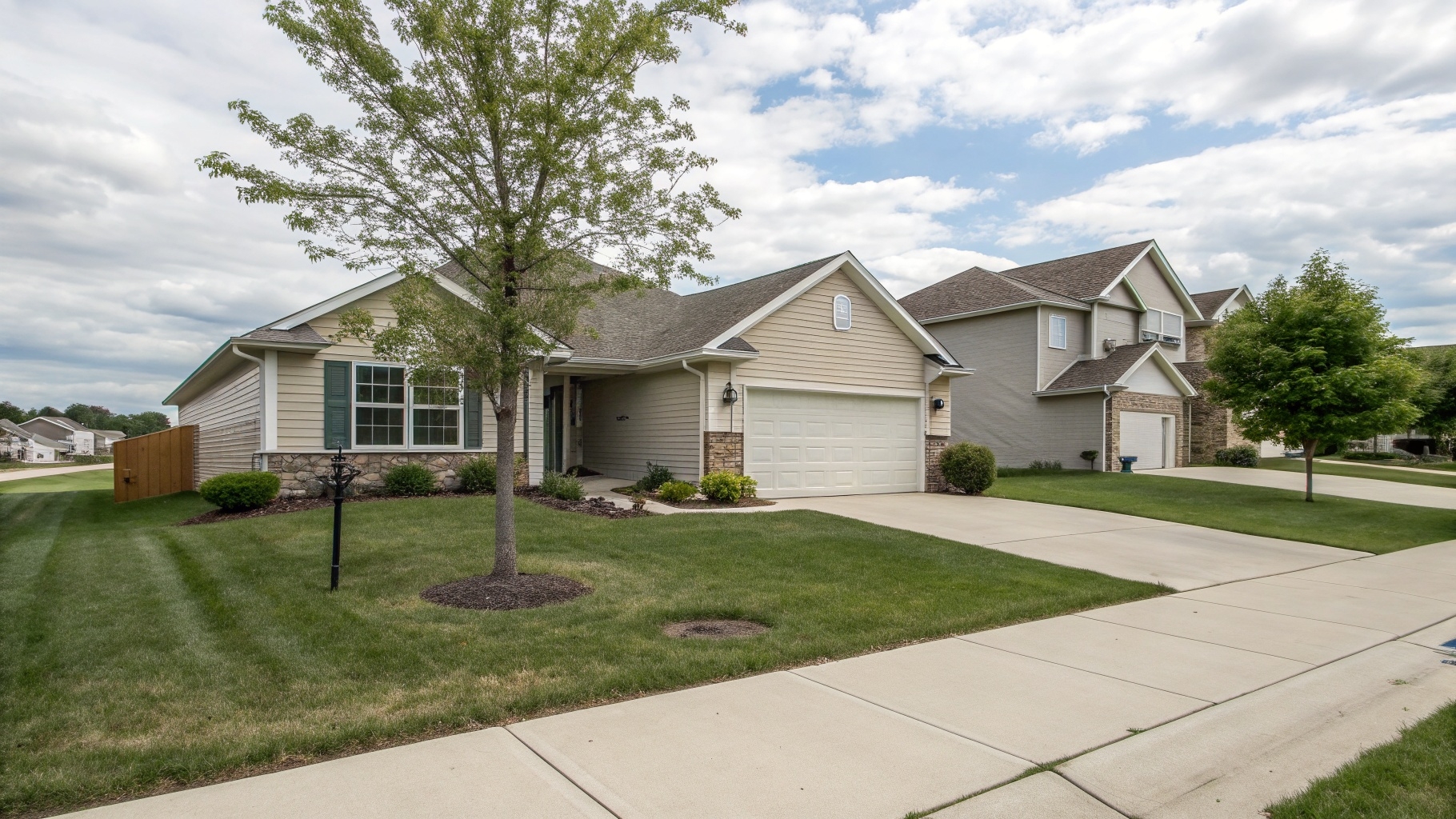
Southeastern Wisconsin received 4.2 inches of rain during the last two weeks of March 2026 — nearly double the 30-year average for that period. Across Waukesha, Brookfield, and Elm Grove, the result is predictable for anyone who understands how ground-dwelling arthropods respond to soil saturation: spiders, centipedes, and silverfish are migrating upward into basements, crawl spaces, and lower-level living areas at rates PIP technicians have not seen since the wet spring of 2023.
This is not a random spike. The Fox River corridor that runs through downtown Waukesha, the Underwood Creek watershed feeding Brookfield's western neighborhoods, and Elm Grove's mature-canopy lots with decades of leaf litter all share a common vulnerability — saturated soil with nowhere to drain except through foundation walls and floor cracks into your home.
Waukesha County sits on glacial terrain — a mix of clay till and compacted silt deposited during the last ice age. This soil profile drains poorly compared to sandy regions further north. When sustained April rain lands on already-saturated ground (from snow melt that finished just 3 weeks earlier), the water table rises and hydrostatic pressure pushes moisture laterally through foundation walls and upward through basement floor joints.
In Waukesha proper, the Fox River corridor amplifies this. Homes in the Frame Park area and along Pebble Creek greenway sit on the river's historic flood margin. Foundation walls in these 1890s-to-1950s-era homes often lack modern waterproofing membranes, and fieldstone or block construction allows moisture to wick directly through mortar joints.
Brookfield's vulnerability is different. The Underwood Creek watershed drains through western Brookfield neighborhoods where 1960s-1990s colonial homes sit on lots with mature oak-maple canopy. Heavy leaf litter retains moisture against foundations, and the tree roots create channels that funnel water toward basement walls. Elm Grove faces the same canopy-driven moisture pattern on its large wooded lots — some of the highest tree density per acre in Waukesha County.
Wolf spiders, grass spiders, and house spiders that hunt in leaf litter, mulch beds, and foundation plantings cannot survive in waterlogged soil. When the water table rises and displaces air from soil pores, ground-dwelling arthropods move vertically — up foundation walls and through any gap larger than 1/16 inch.
Centipedes follow the same path for the same reason, but they are also pursuing their prey (smaller insects displaced by the same moisture). Silverfish, already common in humid Waukesha County basements, see population surges when relative humidity climbs above 75% — which happens in poorly ventilated basements within 48 hours of heavy sustained rain.
In Elm Grove, PIP technicians regularly find wolf spiders clustered near basement floor drains and sump pump pits — the exact points where ground moisture enters the living space. In Brookfield, the pattern shifts toward window wells that collect runoff from the canopy overhead, creating pooled entry points along below-grade windows.
PIP provides same-day emergency service and free inspections throughout Waukesha County. Our locally-based technicians know the specific pest conditions described in this report.
Check these areas in your Waukesha, Brookfield, or Elm Grove home this week:
PIP addresses spring spider and moisture-pest migrations with a dual interior-exterior protocol designed for Waukesha County's specific conditions:
All products are EPA-registered, pet-safe after drying (30-60 minutes), and specifically labeled for residential indoor application. PIP's guarantee covers retreatment at no charge if spider activity persists between scheduled services.
Every PIP treatment is backed by our satisfaction guarantee. If pests return between scheduled services, we re-treat your property at no additional charge. All products are EPA-registered and pet-safe after drying.
Heavy April rain saturates the soil around your foundation, displacing ground-dwelling spiders and centipedes upward through floor cracks, utility gaps, and sump pits. The Fox River corridor in Waukesha and clay-heavy Waukesha County soils make this worse because water drains slowly, keeping the pressure on for days after rain stops.
Most basement spiders in Waukesha County — wolf spiders, grass spiders, common house spiders — are not medically significant. However, brown recluse spiders have been confirmed in southeastern Wisconsin, and their bites require medical attention. PIP identifies species during inspection and adjusts treatment accordingly.
PIP spider and moisture-pest treatment pricing in Brookfield is based on your home's square footage, basement size, and severity. We provide free inspections and transparent pricing. Annual prevention plans covering spring and fall treatments offer the best value for Brookfield homes with recurring moisture issues. No contracts required.
A dehumidifier reduces long-term attractiveness by lowering humidity below 50%, but it will not stop spiders currently migrating through foundation cracks. You need both moisture control AND perimeter treatment. PIP addresses both — sealing entry points and applying targeted products while advising on humidity management.
We live and work in Mukwonago. Your pest problems are our neighborhood's pest problems. No call centers, no corporate runaround.
Unlike reactive exterminators, PIP focuses on preventing infestations before they start. Our seasonal programs keep pests out year-round.
We use targeted, EPA-registered products with minimal environmental impact. Safe for your family, pets, and Wisconsin's ecosystem.
Wasp nest by the front door? Mice in the kitchen? We respond the same day because emergencies can't wait.
Pay only for what you need. No long-term commitments, no cancellation fees. Pricing based on your home square footage. We earn your business every visit.
Love PIP? Refer a friend and you both save. You earn 10–20% off your next service; they get 20% off their first.
Don't wait when safety is at risk. PIP's emergency team responds same-day across Waukesha County.
Call Now: (262) 893-5271